

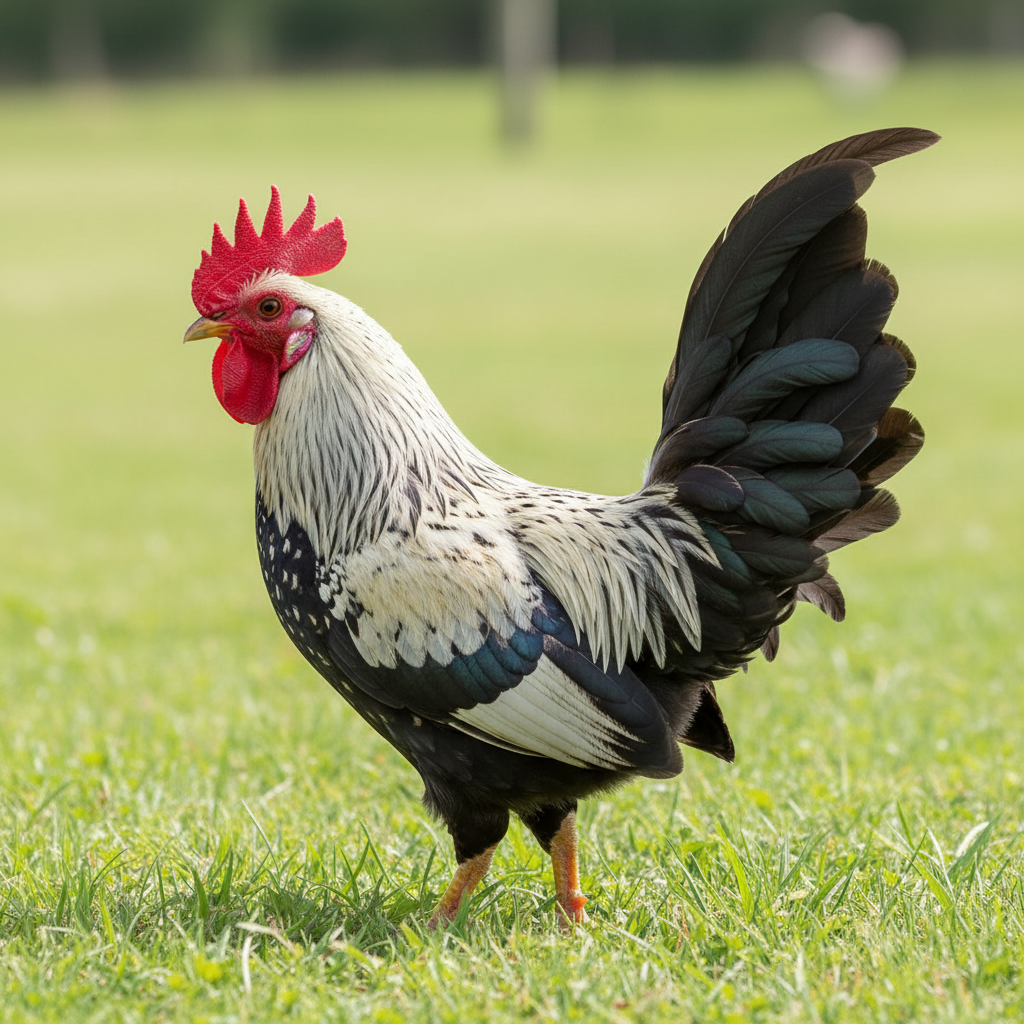
Chabo
Chabo are small, ornamental bantams known for their unique feathered appearance.
Is the Chabo right for you? Take the Breed Matcher →About the Chabo
Chabo, or Japanese Bantams, are characterized by their short legs, rounded bodies, and unique feathering. Their compact size gives them a charming and endearing look, making them popular in ornamental settings. Despite their small stature, they have a confident and curious temperament, often enjoying interaction with their keepers. Their distinctive features also include a broad stance and a small crest, adding to their appeal as decorative birds.
History
The Chabo breed’s exact origins are somewhat obscure, but they are believed to have been developed in Japan several centuries ago. They have gained popularity in Europe and the United States due to their striking appearance and friendly disposition, often featured in poultry shows and exhibitions.
Care tips
Chabo chickens thrive in a warm and dry environment, as they are not particularly hardy. Providing ample space for their natural behaviors is important, despite their small size. They often display broody tendencies, making them suitable for hatching eggs if desired. Regular handling can help maintain their friendly nature.
Fun facts
- Chabo are known for their unique feather quality, often appearing fluffy and soft.
- They are one of the oldest Japanese chicken breeds, steeped in cultural history.
- Chabo often adapt well to confined spaces, making them great for small backyards.
- Their calm demeanor makes them popular pets for children and families.
Chabo, the Japanese name for the Japanese Bantam
Chabo is the Japanese name for what English speakers usually call the Japanese Bantam. It is the same bird. The name shows up most often in European breed listings and among keepers who want to point to the breed's roots in Japan.
A Chabo is a true bantam, with no large version. It has very short legs, a deep upright tail that rises above the head, large wings carried low and a big single comb. The overall look is a tiny bird that seems to sit right on the ground.
What to know before keeping Chabo
- The short legs come from a creeper type gene. Two copies are lethal, so short to short pairings lose about a quarter of embryos in the shell.
- Low wings and tails drag in mud. Dry ground matters more for Chabo than for most breeds.
- The large comb can get frostbite in hard winters.
- Hens lay small eggs in modest numbers and go broody often.
Most Chabo are calm and friendly. They are popular for small backyards and with kids, as long as the setup stays clean and dry. The small yards breed list has other options in the same space.
Colors and frizzled types
Chabo come in many colors, and there are also frizzled and silky-feathered types. On this site, colors like Black Tailed White have their own pages. Not every color is recognized in every country.
Where to get them
Under the Chabo name, you are more likely to find them through bantam breeders and clubs. Under the Japanese Bantam name, several hatcheries carry common colors.
Common questions about Chabo
Is a Chabo the same as a Japanese Bantam?
Yes. Chabo is the Japanese name for the same breed.
Why do Chabo have such short legs?
A gene for very short legs is part of the breed. It is lethal in double dose, which affects hatch rates.
Are Chabo good layers?
No. Egg numbers are low and the eggs are small.
