

Phoenix
Also known as Onagadori cousin
Also known as: Onagadori cousin
Is the Phoenix right for you? Take the Breed Matcher →About the Phoenix
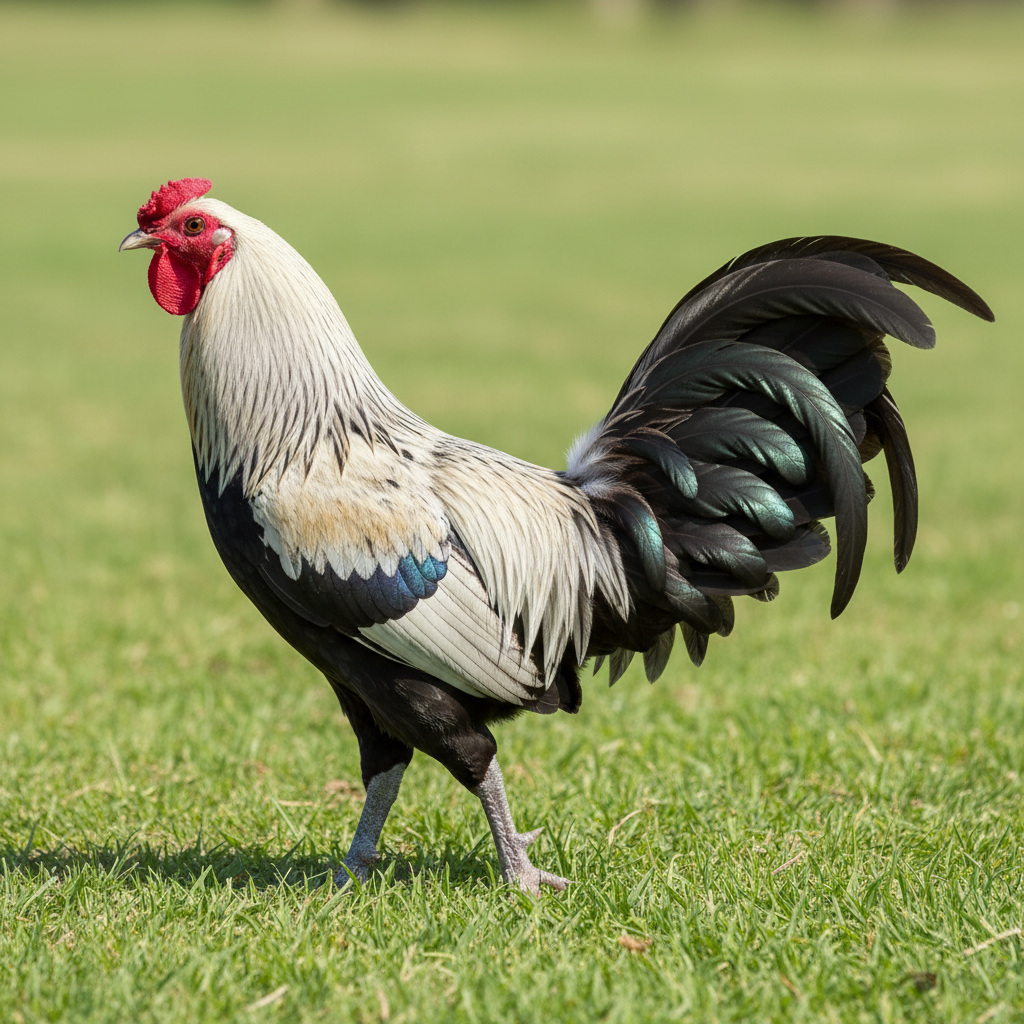
The Phoenix chicken is known for its stunning, lengthy tail feathers that can reach up to 3 feet in length, contributing to its elegant appearance. Their plumage can vary in color, often showcasing rich hues and a lustrous sheen. These birds exhibit a calm and friendly temperament, making them suitable for backyard settings. Their ornamental nature is highlighted by their unique ability to showcase long, flowing tails, reminiscent of the mythical phoenix bird.
History
Originating in Japan, the Phoenix breed was developed from the Onagadori chicken, brought to Germany in the late 19th century. The breed was refined through selective breeding to emphasize its extraordinary tail length and beauty. It has gained popularity in poultry shows and among backyard enthusiasts worldwide, celebrated for its ornamental value.
Care tips
Phoenix chickens are relatively hardy but benefit from a spacious environment to accommodate their long tails. They are not overly broody, making them less inclined to sit on eggs, which can be advantageous for beginner keepers. Regular feather care is important to maintain their plumage, preventing dirt and damage to their delicate tails.
Color varieties
Fun facts
- Phoenix roosters can grow tails over 3 feet long, making them a stunning sight.
- The breed is derived from the Onagadori, famous for its tail length.
- Phoenix chickens are generally friendly and do well in mixed flocks.
- They are recognized in various color varieties, adding to their ornamental appeal.
What keeping Phoenix chickens is really like
The Phoenix was developed in Germany in the late 1800s from long-tailed chickens imported from Japan, including birds related to the Onagadori. Breeders crossed them with other breeds to make a long-tailed bird suited to European conditions. Roosters grow long, flowing tails and saddles. Colors include silver duckwing, golden duckwing, black breasted red, white and black. The Golden Duckwing Phoenix has its own page.
The tail molts
Unlike the true Onagadori, Phoenix tail feathers do molt each year. The tail grows long over the season, often a few feet in good birds, then drops and regrows. That is still long enough to need care.
Housing for long tails
Give roosters high perches so the tail can hang without touching the floor. Keep bedding clean and dry, since a dirty tail is easy to damage. Avoid crowding, and keep roosters away from birds that pull feathers. A run with grass or clean sand helps keep tails in good shape.
Day to day
Phoenix are active, alert and often flighty. They fly well, so a covered run is useful. They forage well. Many hens tame with handling. Hens are often good broodies and mothers.
Eggs
Hens lay small cream or tinted eggs at a modest rate. They are kept for looks, not production.
Climate
They are fairly hardy. Single combs can get frostbite in hard cold, and tails need protecting from mud and ice.
Where to get them
Several US hatcheries sell Phoenix, in both large fowl and bantam. Show lines with longer tails come from breeders.
Common questions about Phoenix chickens
How long do Phoenix tails get?
Often a few feet in good roosters, since the tail regrows each year.
Are Phoenix chickens good layers?
Modest. They lay small cream eggs.
Do Phoenix chickens need special perches?
High perches help roosters keep their tails off the ground.
