

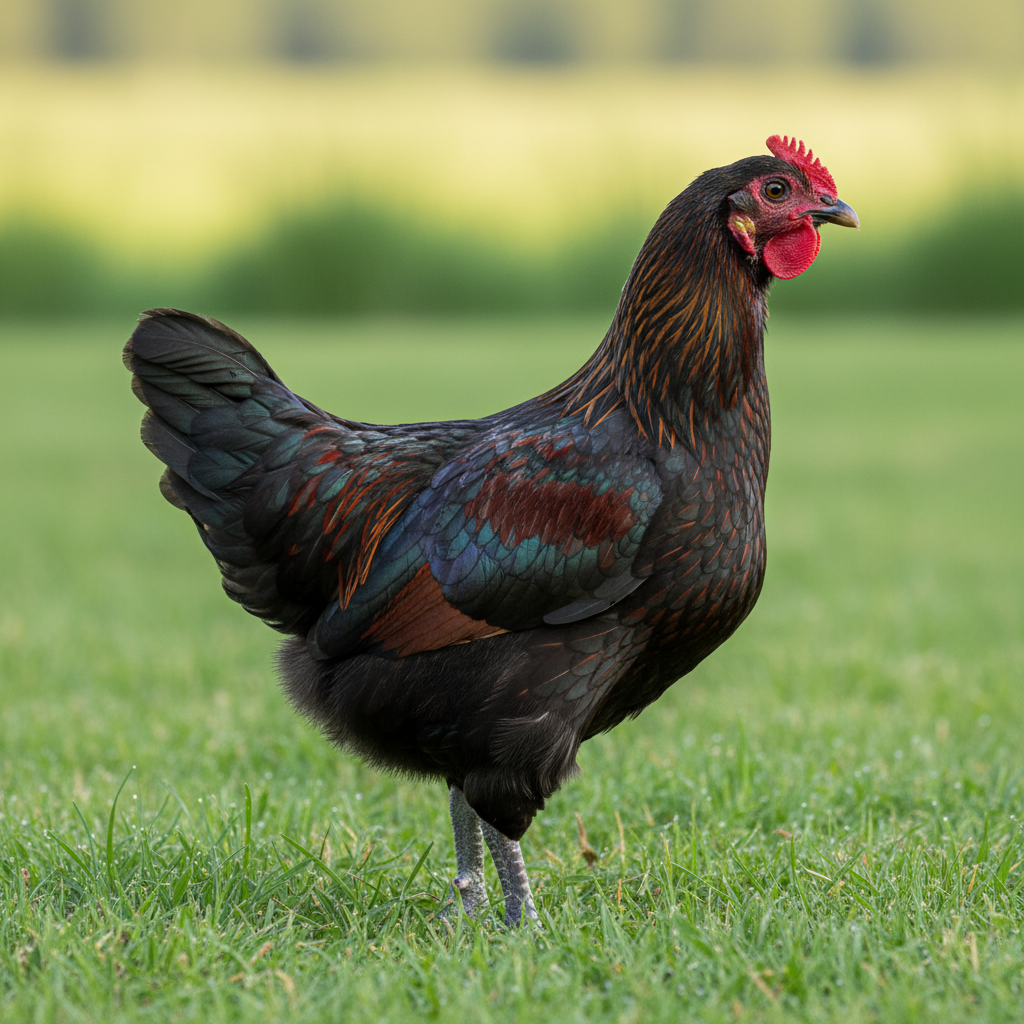
Araucana
Rumpless, tufted, original blue egg breed.
Is the Araucana right for you? Take the Breed Matcher →About the Araucana
The Araucana is a distinctive breed recognized for its absence of a tail and the unique tufted feathers on its head. They are medium-sized birds with a vibrant plumage that can vary in color, contributing to their aesthetic appeal. Known for their calm and friendly temperament, Araucanas are often sociable, making them a good choice for backyard poultry enthusiasts. Their most notable feature is their ability to lay striking blue eggs, setting them apart from many other breeds.
History
Originating in Chile, the Araucana has roots among the indigenous Mapuche people, who first developed the breed. It gained recognition in the 19th century and was introduced to other parts of the world, particularly in the United States and Europe, where it has since become popular for both egg production and ornamental purposes.
Care tips
Araucanas are generally hardy and adapt well to various climates but should be protected from extreme cold due to their light feathering. They may exhibit broody behavior, especially females, and can be excellent mothers if allowed to incubate their eggs. Providing ample space for roaming and foraging is beneficial, as they thrive in free-range environments, which also helps them maintain their health and well-being.
Color varieties
Fun facts
- Araucanas can lay eggs in shades from pale blue to green.
- They are known for their unique tufted ear feathers, which are a genetic trait.
- Araucanas do not have a tail, giving them a distinctive silhouette.
- This breed is considered one of the first blue egg layers in the world.
What keeping Araucanas is really like
Araucanas are one of the most distinctive birds you can keep. They are rumpless, so there is no tail, and many have tufts of feathers sprouting near the ears. They lay blue eggs, came originally from Chile, and are a true breed with a written standard. They are also one of the harder breeds to raise well, and that is worth knowing before you order.
In the yard they are lively, quick and independent. Many are good foragers and some hens are protective broodies. They are not usually aggressive with people, but they are not the calm, sit-on-your-lap type either.
The tuft gene and hatching problems
The ear tuft trait is tied to a gene that is lethal when a chick gets two copies. In practice, when you breed two tufted birds together, a share of the embryos die late in the shell. Breeders often pair a tufted bird with a clean-faced bird to get around this, accepting that only some chicks will carry tufts. If you plan to hatch your own, expect lower hatch rates than with most breeds and do not assume something is wrong with your incubator.
Rumplessness can also make fertility harder in some lines, because the feathers around the vent are not held out of the way by a tail. Some breeders trim vent feathers on breeding birds for that reason.
Who Araucanas suit
- Keepers who want a rare, unusual blue egg breed and enjoy a challenge.
- People who want to show or preserve a breed.
- Free range setups where an active, alert bird is an asset.
They are a poor pick if you want a cheap, easy, high-output layer for a first flock. For that, see the best breeds for beginners.
Laying across the seasons
Araucanas lay a moderate number of medium blue eggs. Egg size tends to be on the smaller side compared with big production breeds. They lay best in spring and early summer, slow down in the fall molt, and many take a break in winter without extra light. Output drops gradually after the first couple of years, as it does with most heritage breeds.
Space, coop and climate
Give them normal large fowl space and a run with cover. They are light enough to fly over low fences. Their pea comb is a real plus in cold weather because it resists frostbite much better than a tall single comb. In heat, shade and ventilation matter more than anything breed-specific.
Araucana vs Ameraucana
These two get confused all the time. The Ameraucana was developed in the United States from Araucana-type birds and has a full tail, a beard and muffs, and no ear tufts. It is easier to breed and easier to find. The Araucana is the tailless, tufted bird. Both lay blue eggs. If tufts and no tail are not important to you, the Ameraucana is the easier keep.
Where to find them
True Araucanas are uncommon. Some hatcheries list "Araucana" chicks, but these are often mixed birds with tails, so look at photos of the parent stock. Breed clubs, poultry shows and breeders who focus on rumpless tufted birds are the best sources. Be ready to wait and pay more.
Common questions about Araucanas
Do Araucanas have tails?
No. A true Araucana is rumpless, meaning it lacks the tail. Birds with tails sold as Araucanas are usually Easter Eggers or Ameraucanas.
Why do so many Araucana chicks die before hatching?
The ear tuft gene is lethal in double dose, so tufted to tufted pairings lose some embryos late in incubation.
What color eggs do Araucanas lay?
Blue. The shade varies from pale to deeper blue between hens.
