

Best Chicken Breeds for Beginners
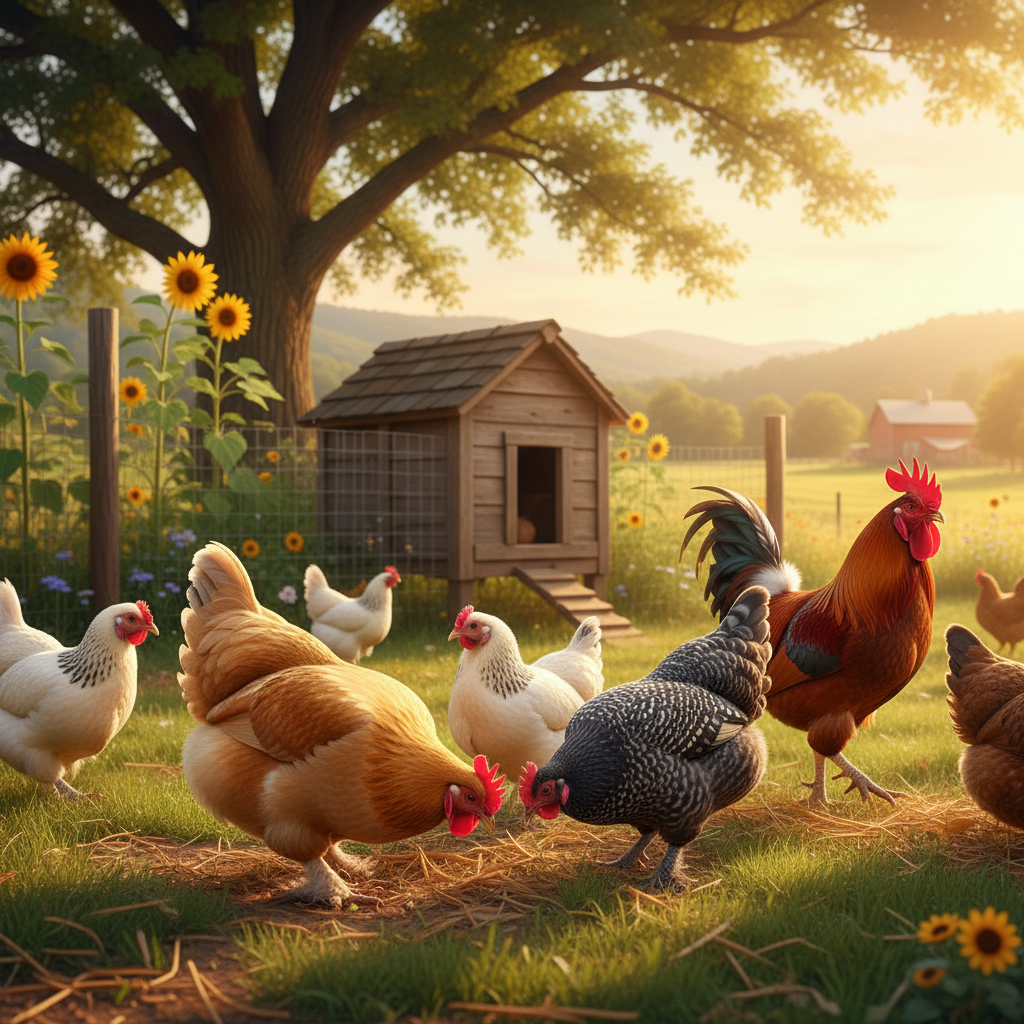
If you're starting your first flock, pick breeds that are calm, cold-hardy, lay reliably, and tolerate handling. These 10 are the gold standard for new keepers.
Not sure which breed fits you?
Answer 6 quick questions and our AI matches you to ideal breeds.
Take the Breed Matcher quizWhat we looked for
- Calm, docile temperament
- Tolerant of confinement and handling
- Reliable layers (250+ eggs per year for top picks)
- Cold- and heat-tolerant across climates
- Widely available from local hatcheries
The ranked picks
Buff Orpington
The classic beginner hen, fluffy, calm, lap-friendly, and lays 200+ brown eggs a year. Cold-hardy and quiet enough for suburban yards.
Australorp
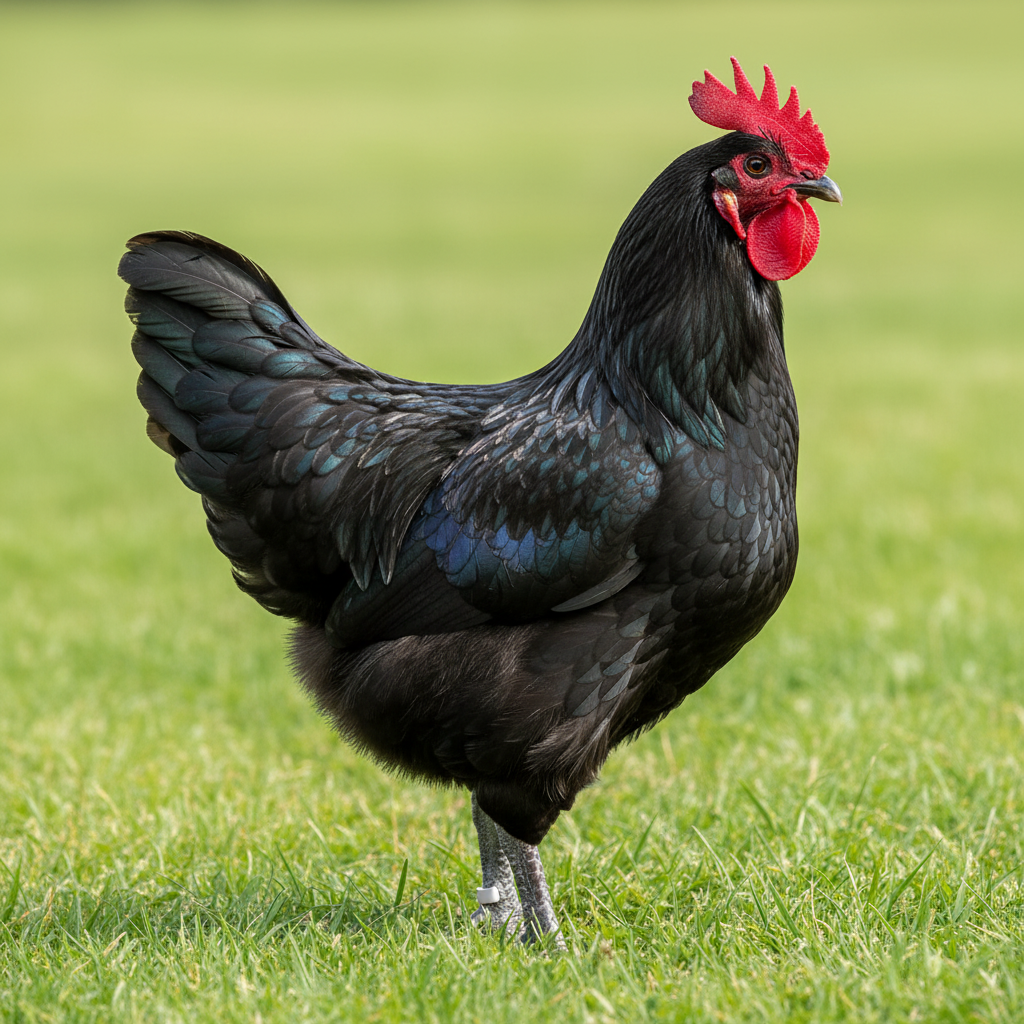
World-record layer (over 360 eggs in a year) with a sweet personality. Glossy black feathers, sturdy build, handles heat and cold.
Read full Australorp breed profile →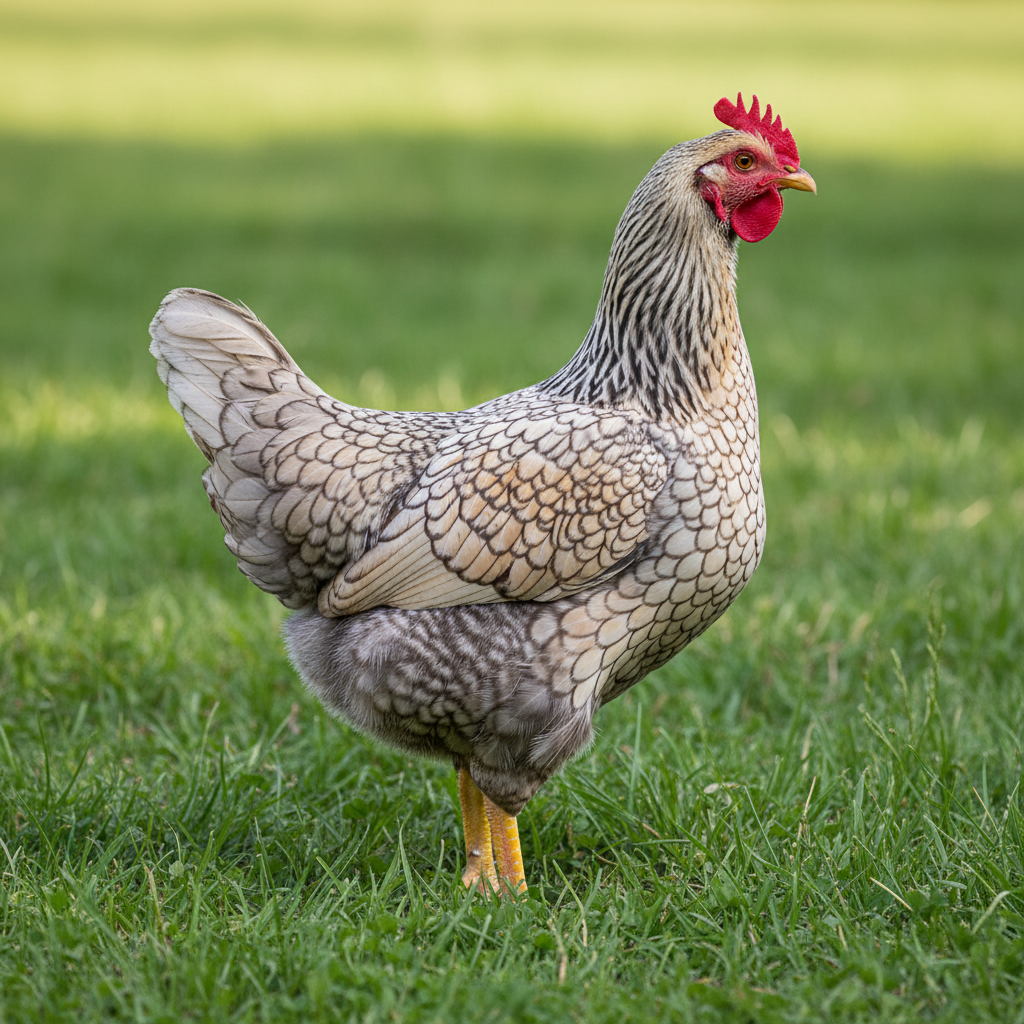
Plymouth Rock
Barred Rocks are the no-drama workhorse, 200-280 eggs per year, friendly, tough, and great for kids.
Read full Plymouth Rock breed profile →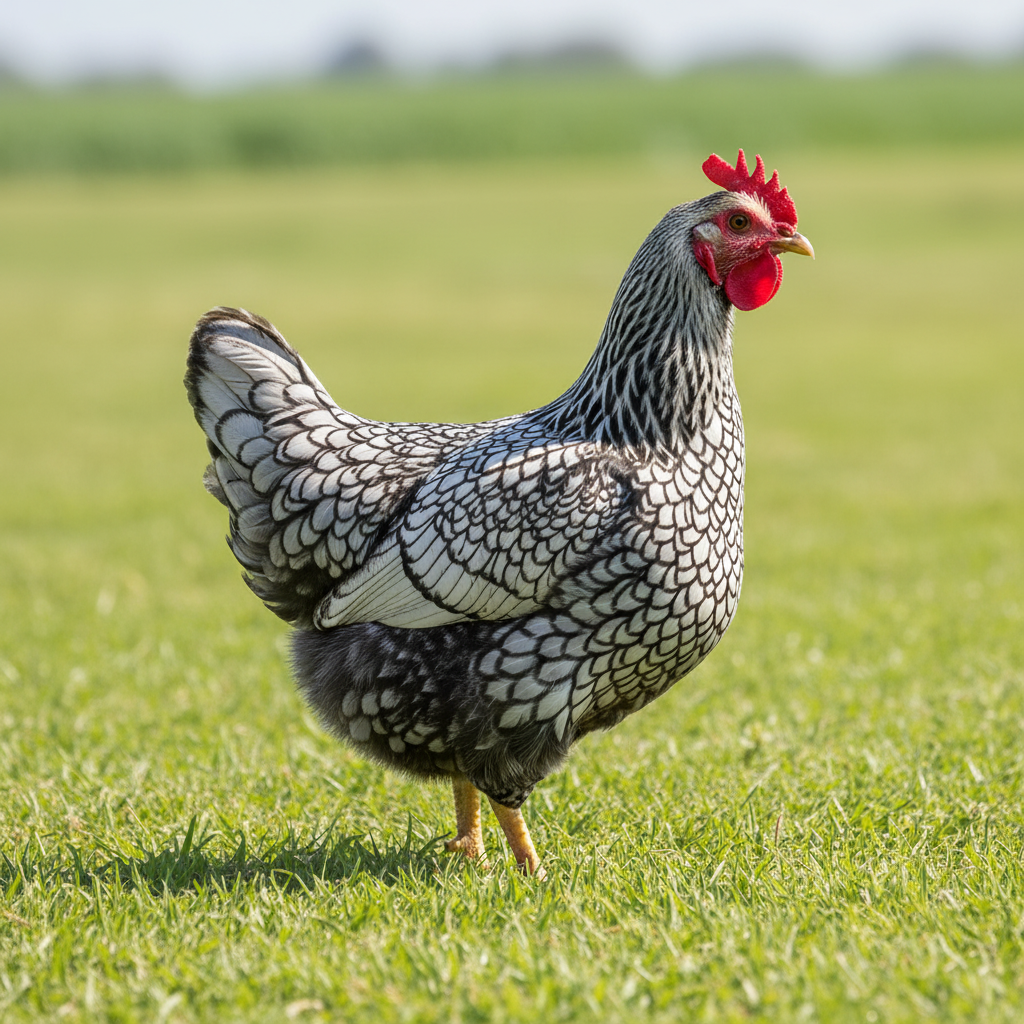
Wyandotte
Stunning laced patterns, very cold-hardy thanks to the rose comb, and a calm, dignified personality. 200+ brown eggs a year.
Read full Wyandotte breed profile →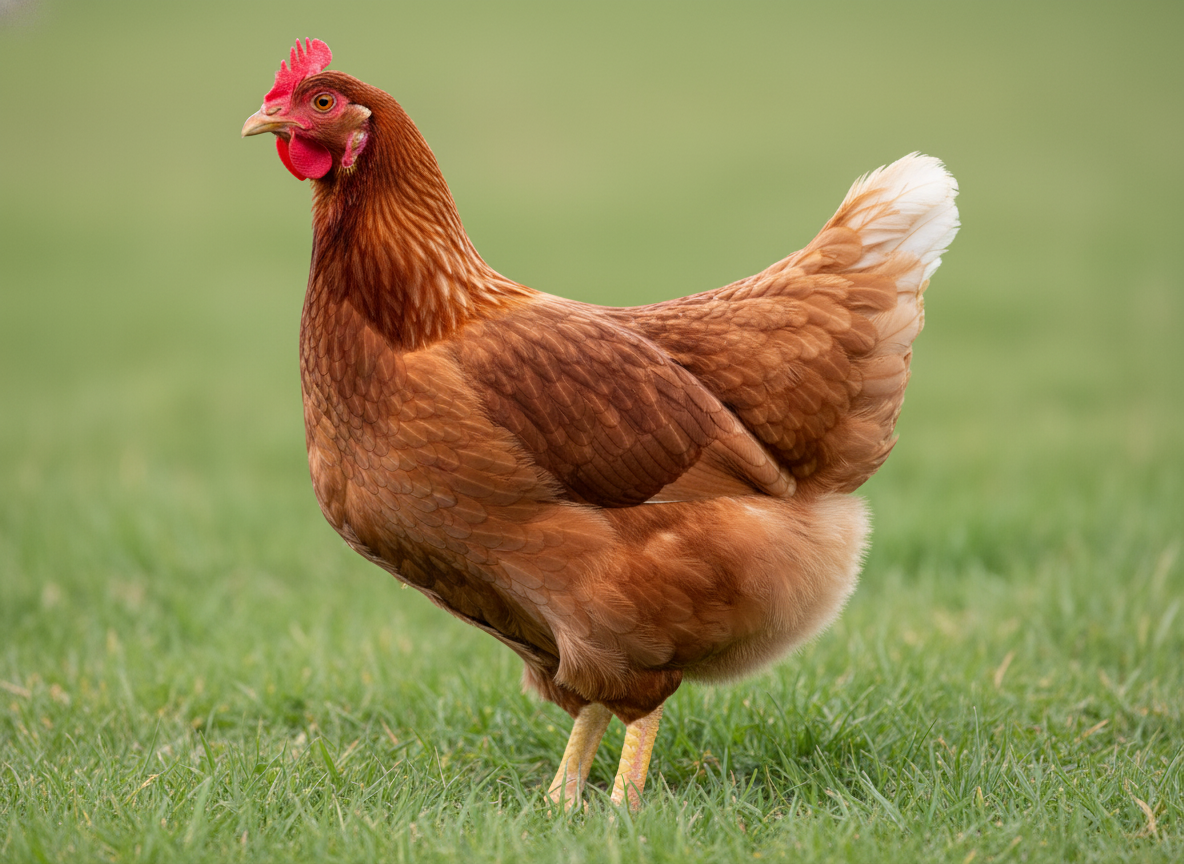
ISA Brown
A modern egg-laying machine, 300+ brown eggs a year, friendly, easy to manage, and inexpensive. Production breed, so lifespan is shorter.
Read full ISA Brown breed profile →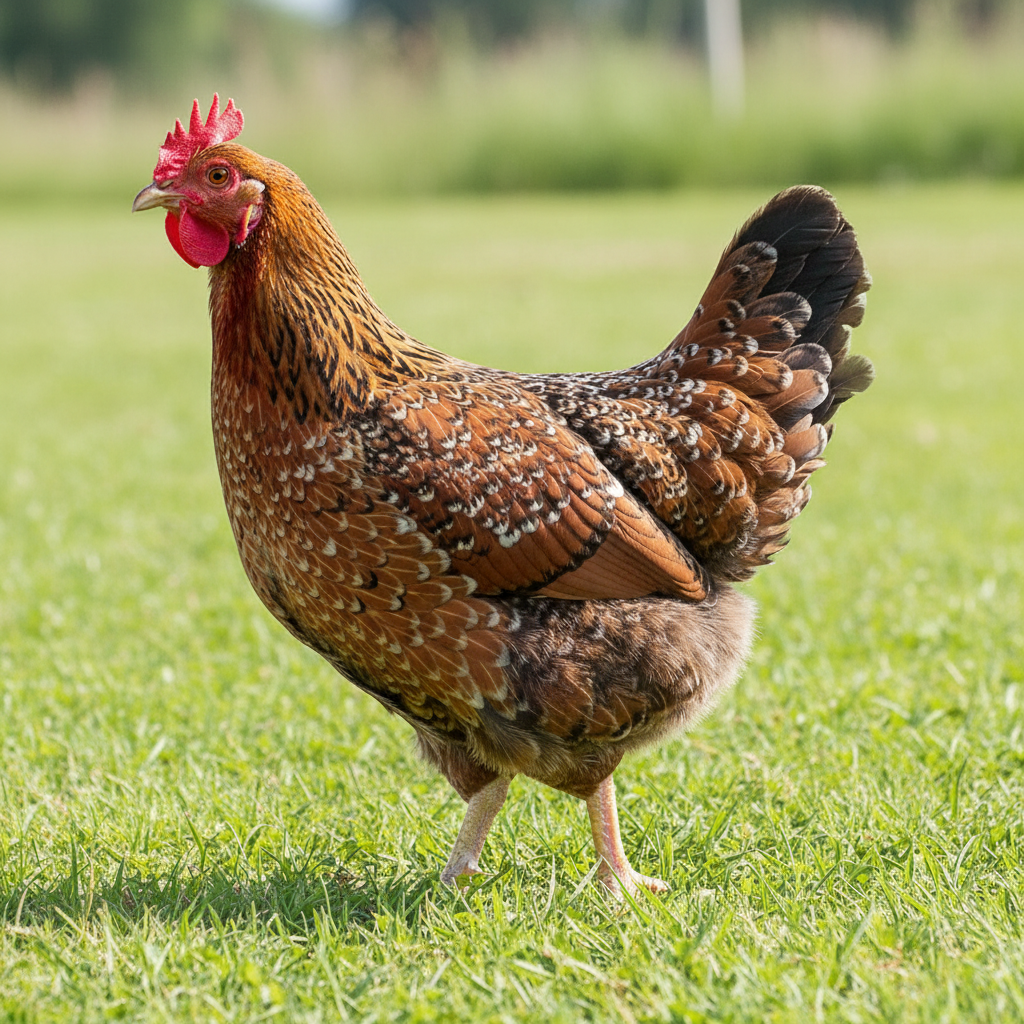
Sussex
Speckled Sussex are curious and people-loving. Solid layers, beautiful feathering, and famously good free-rangers.
Read full Sussex breed profile →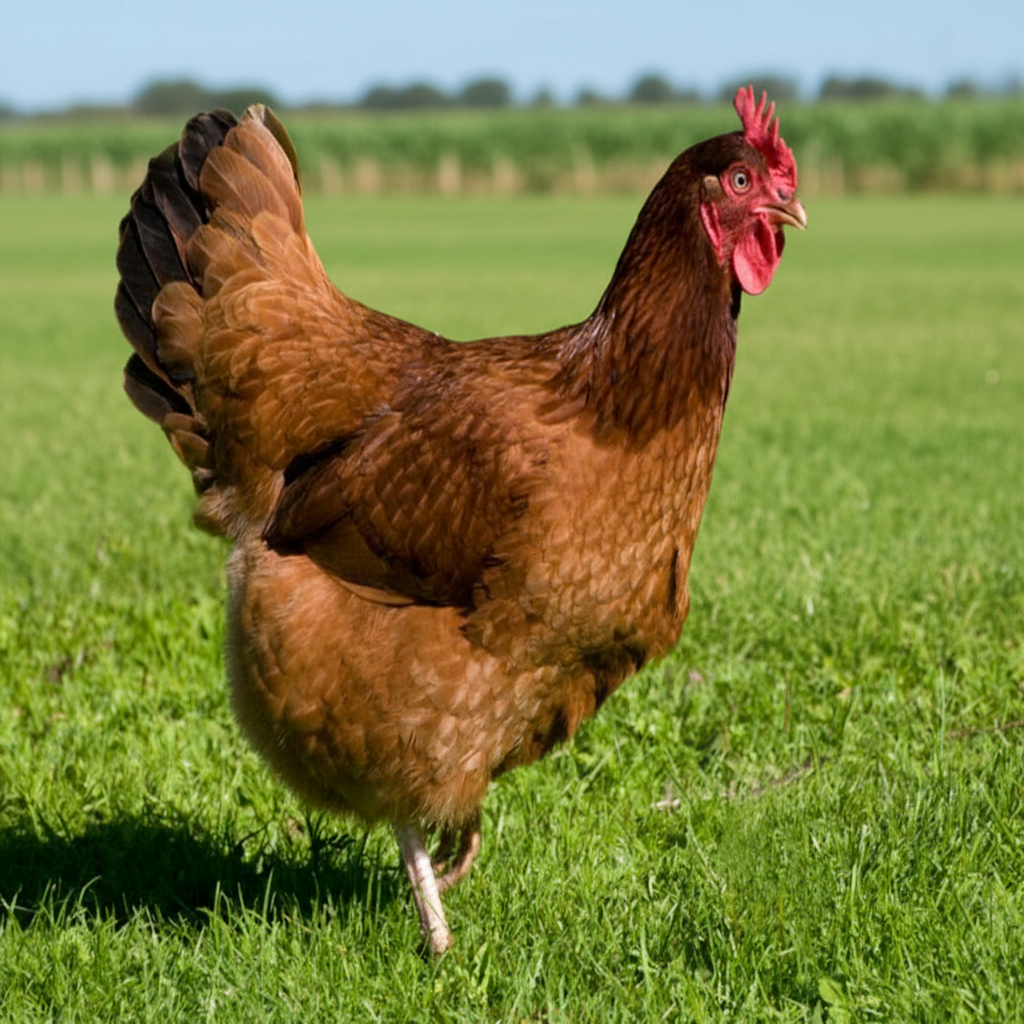
Rhode Island Red
Rugged, dependable, and lays 250+ brown eggs a year. Roosters can be assertive, pick hens for a calm flock.
Read full Rhode Island Red breed profile →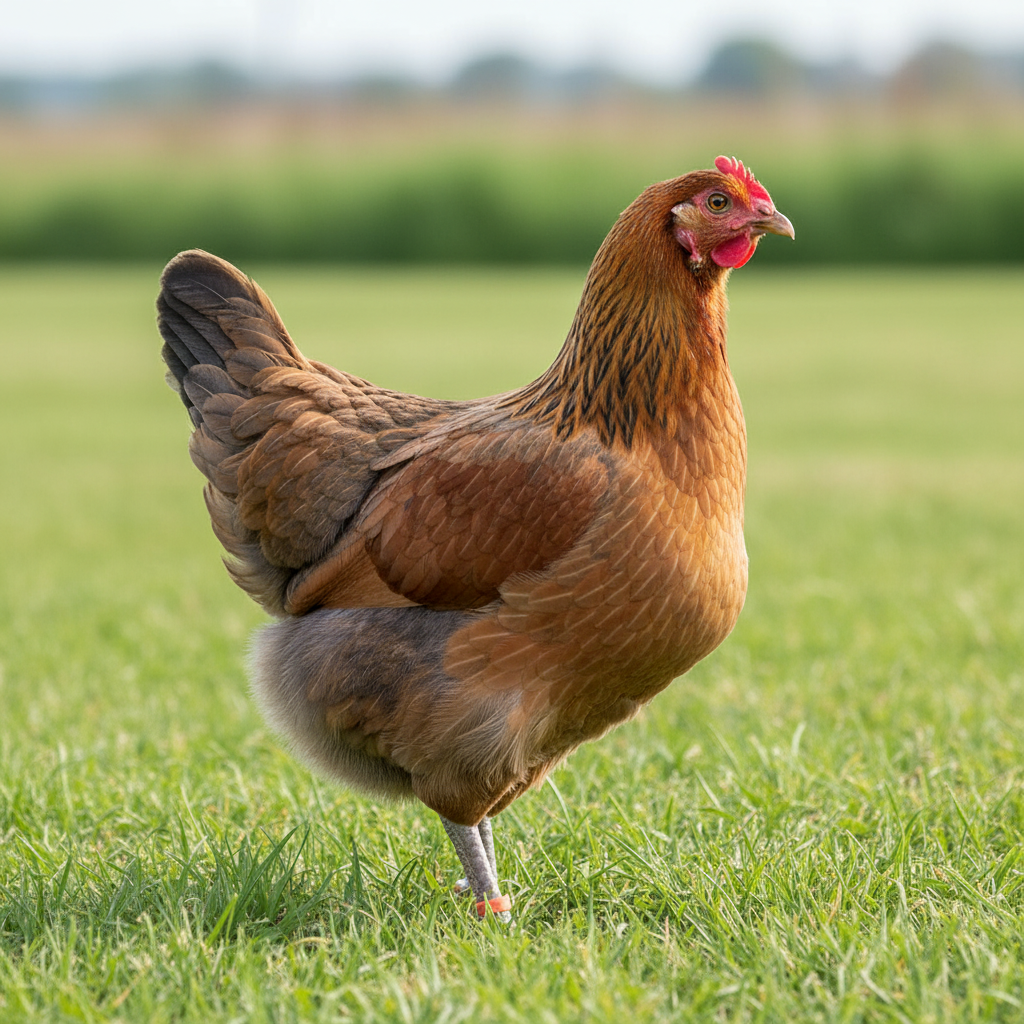
Easter Egger
Lays blue, green, or pink eggs, kids love them. Mixed-breed birds with friendly, easygoing personalities.
Read full Easter Egger breed profile →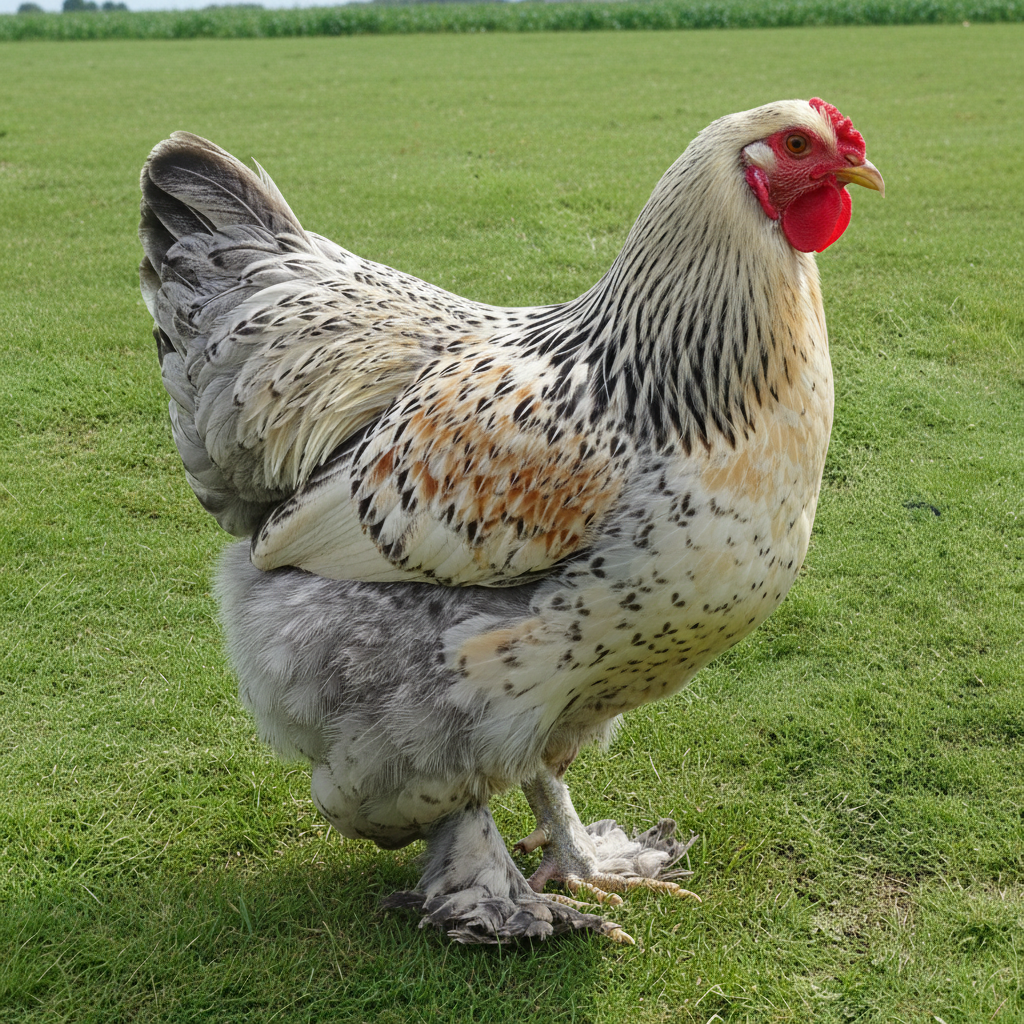
Brahma
Giant, gentle, feather-footed teddy bears. Lay 150 brown eggs a year and barely notice cold weather.
Read full Brahma breed profile →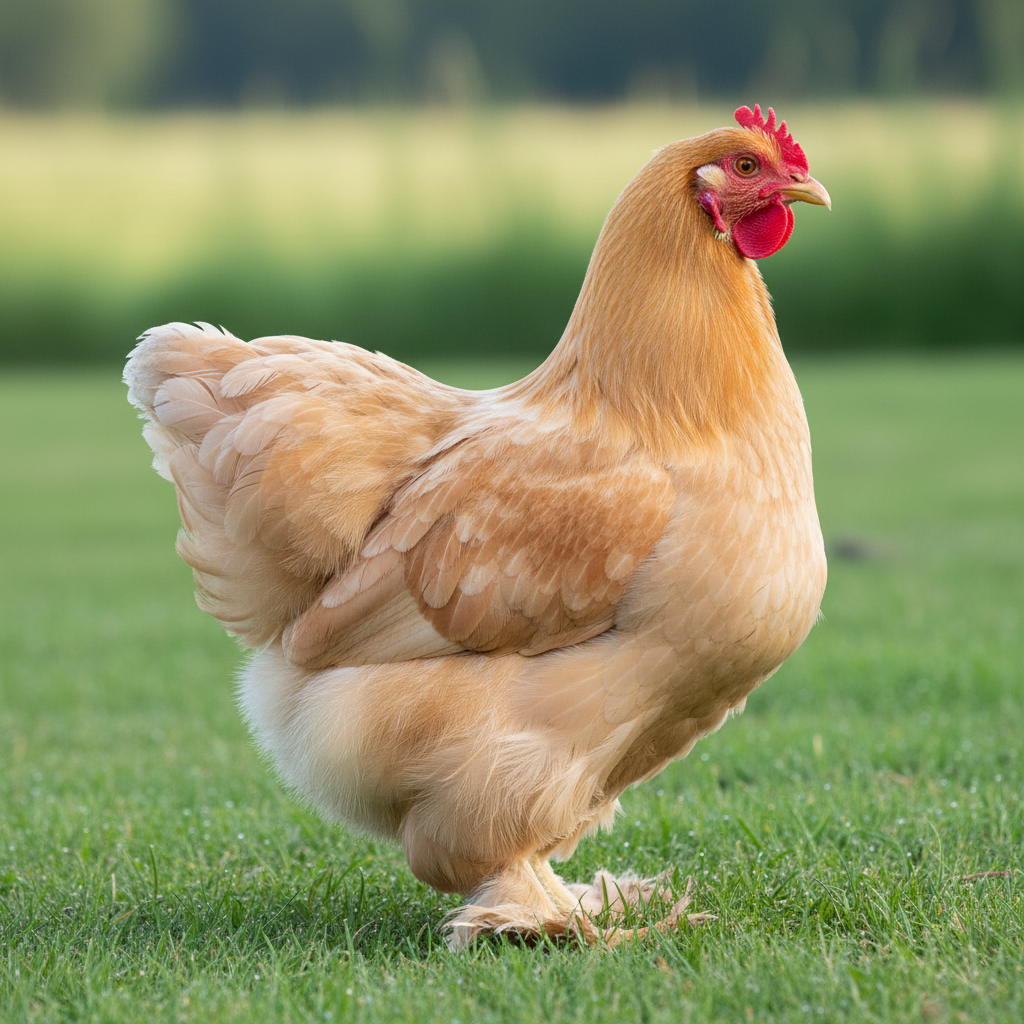
Cochin
Round, fluffy, and slow-moving, easy for kids to handle. Modest layers but unbeatable as pets.
Read full Cochin breed profile →Frequently asked questions
What is the easiest chicken breed for beginners?
Buff Orpingtons are widely considered the easiest, calm, cold-hardy, reliable layers, and they tolerate handling better than almost any other breed.
How many chickens should a beginner start with?
Three to six hens is the sweet spot, enough for social birds and steady eggs, few enough to learn without overwhelm.
Do I need a rooster for hens to lay eggs?
No. Hens lay eggs whether or not a rooster is present. You only need a rooster if you want fertilized eggs to hatch chicks.
More breed roundups
- Best Chicken Breeds for Cold Climates
- Best Chicken Breeds for Hot Climates
- Best Chicken Breeds for Kids and Families
- Best Chicken Breeds for Small Yards and Urban Coops
- Best Chicken Breeds for Colorful Eggs
- Best Chicken Breeds for Meat
- Best Chicken Breeds for Free-Ranging
- Best Quiet Chicken Breeds for Suburban Neighborhoods
How to pick your first chicken breed
A good beginner breed is forgiving. It handles some mistakes, tolerates a range of weather, lays well and does not panic every time you walk in. Most of the breeds on beginner lists check those boxes. The right one for you depends on what you want most from your first flock.
Choose by your top goal
- Lots of eggs with little fuss. Sex link hybrids and the Australorp lay well and are easy to handle.
- Friendly birds for handling. The Orpington is famously calm and tends to like people.
- Tough birds for mixed weather. The Plymouth Rock and Rhode Island Red handle heat and cold well.
- A fun egg basket. Easter Eggers lay blue or green eggs and are usually easygoing.
Things beginners often overlook
Broodiness is a big one. Orpingtons and some other calm breeds go broody, which means a hen may sit on a nest for weeks and stop laying. That is great if you want chicks, but annoying if you just want eggs. Hybrids are less likely to go broody.
Lifespan of production is another. High-output hybrids lay heavily for their first couple of years, then often taper off. Heritage breeds start a bit slower but tend to lay longer. Neither is wrong. Just know what you are signing up for.
Mixing beginner breeds
Mixing two or three breeds in a first flock works well and makes it easy to tell hens apart. Try to keep birds of similar size and temperament together. Calm, heavy breeds such as Orpingtons and Australorps get along with nearly anything. Rhode Island Reds can be a bit bossier, so they do best with other confident birds rather than very timid ones. Raise all your chicks together if you can. Adding birds later means a careful introduction.
Pitfalls for new keepers
- Buying straight run chicks without a plan for roosters.
- Choosing a rare breed first, then struggling to find replacements.
- Buying more chicks than the coop can fit.
- Skipping a quarantine when adding adult birds from elsewhere.
Not sure which breed fits? The breed matcher can narrow it down from your climate and goals.
Common questions about beginner chicken breeds
How many chickens should a beginner start with?
Three to six is a good range. Chickens need company, so never keep just one, and plan for a hen or two lost to illness or predators.
Should beginners get chicks or adult hens?
Chicks are fun and get used to you early. Point of lay pullets start laying sooner and skip the brooder stage. Both work.
What is the easiest chicken to take care of?
Calm, hardy breeds like Australorps, Orpingtons and Plymouth Rocks are a safe bet for most climates.
