


Best Chicken Breeds for Meat
Meat birds break into two camps: fast-growing hybrids (8-week harvest) and heritage dual-purpose breeds (16+ weeks but slower, better life). Here are the best of both.
Not sure which breed fits you?
Answer 6 quick questions and our AI matches you to ideal breeds.
Take the Breed Matcher quizWhat we looked for
- Fast growth (for hybrids) or excellent body conformation (for heritage)
- Tender meat at processing age
- Feed conversion under 3 lb feed per lb meat
- Tolerant of pasture or tractor setups
The ranked picks
Cornish Cross
The grocery-store bird. Ready at 6-8 weeks. Best feed-to-meat ratio of any breed but health problems if kept long.
Freedom Ranger
Pasture-friendly hybrid. Ready at 9-12 weeks, slower than Cornish but much hardier and tastier.
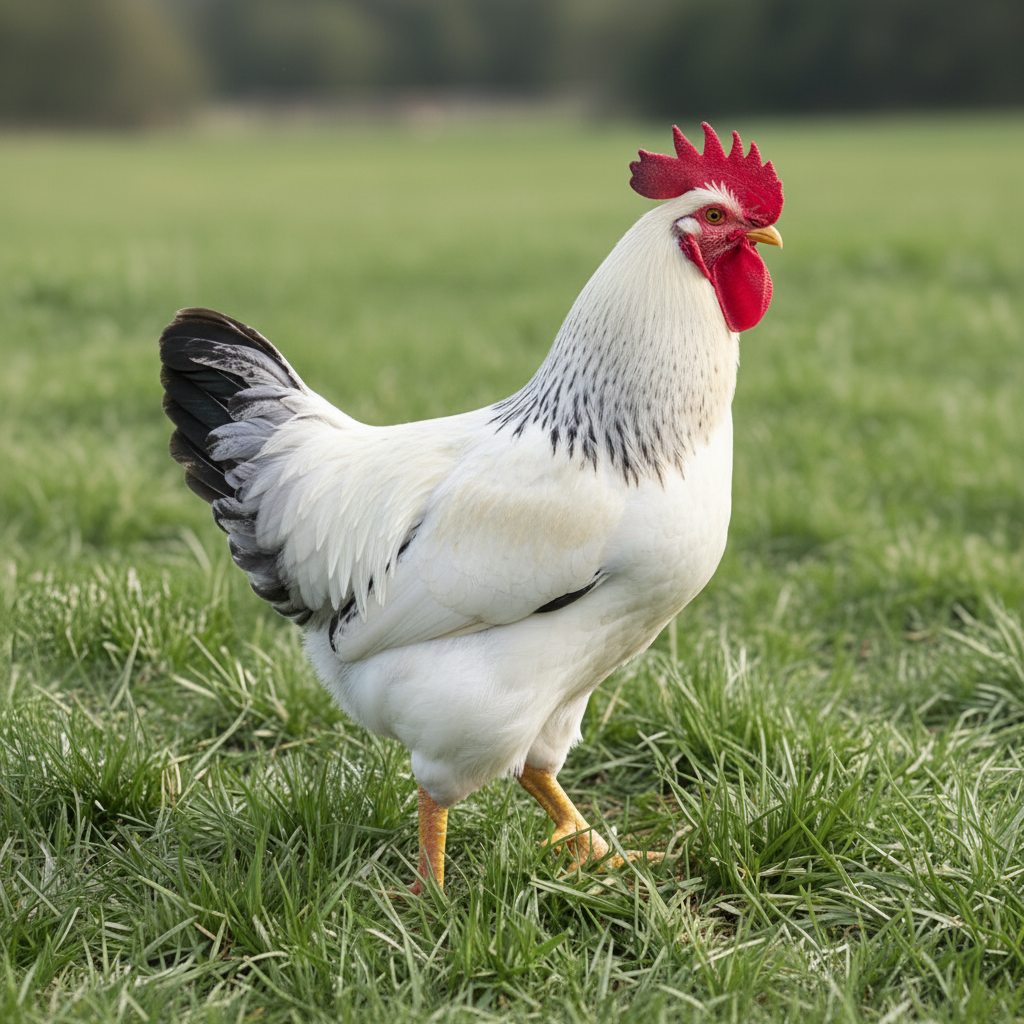
Delaware
Heritage dual-purpose breed bred for broiler crosses in the 1940s. Lays well too.
Read full Delaware breed profile →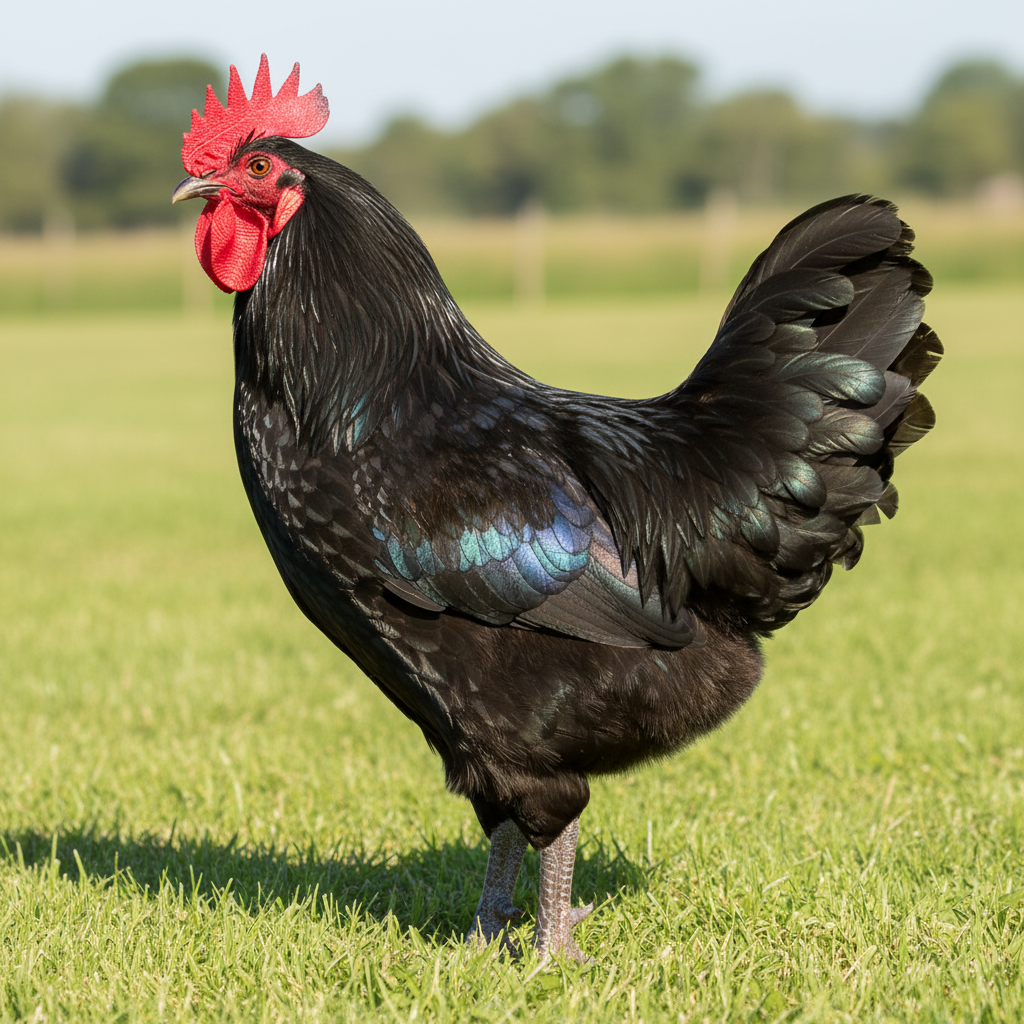
Jersey Giant
Largest American breed. Slow grower (16-20 weeks) but huge final size.
Read full Jersey Giant breed profile →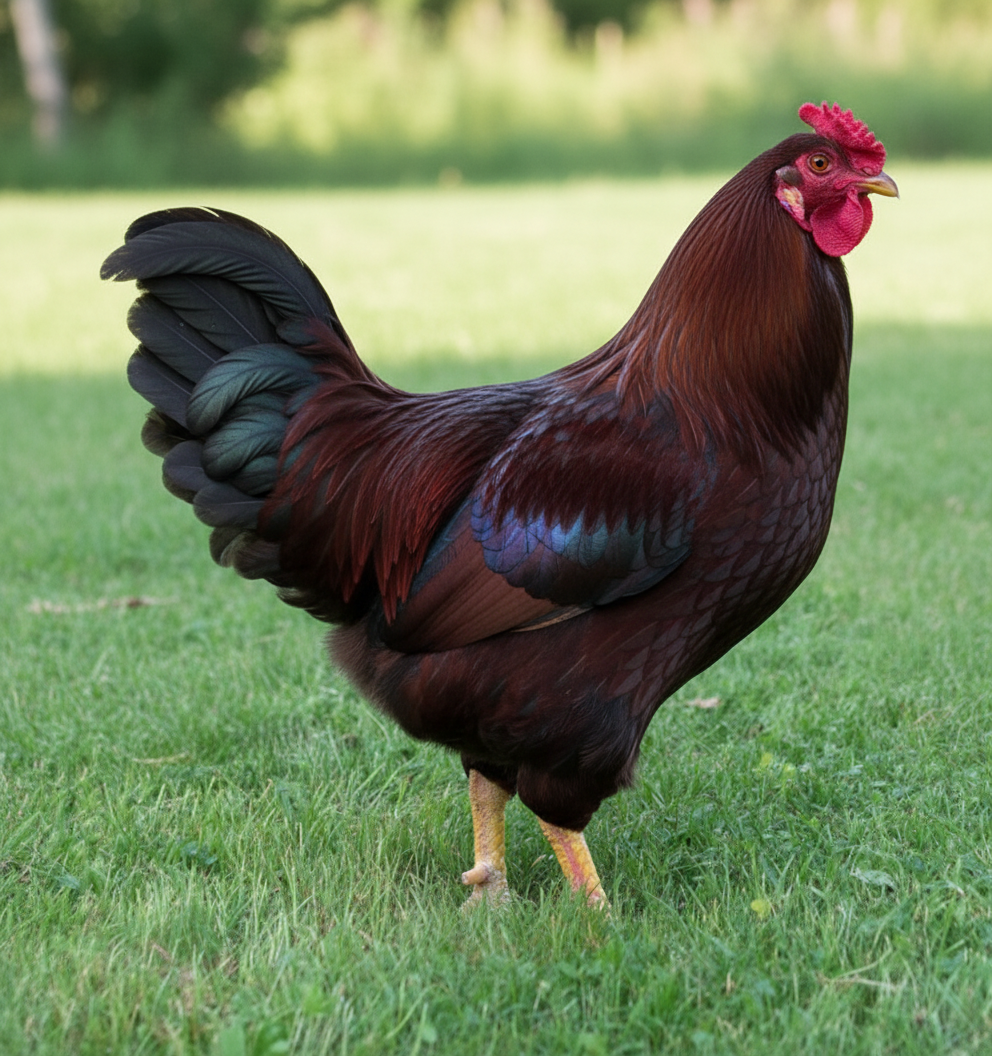
Buckeye
American heritage breed with excellent breast meat for a heritage bird.
Read full Buckeye breed profile →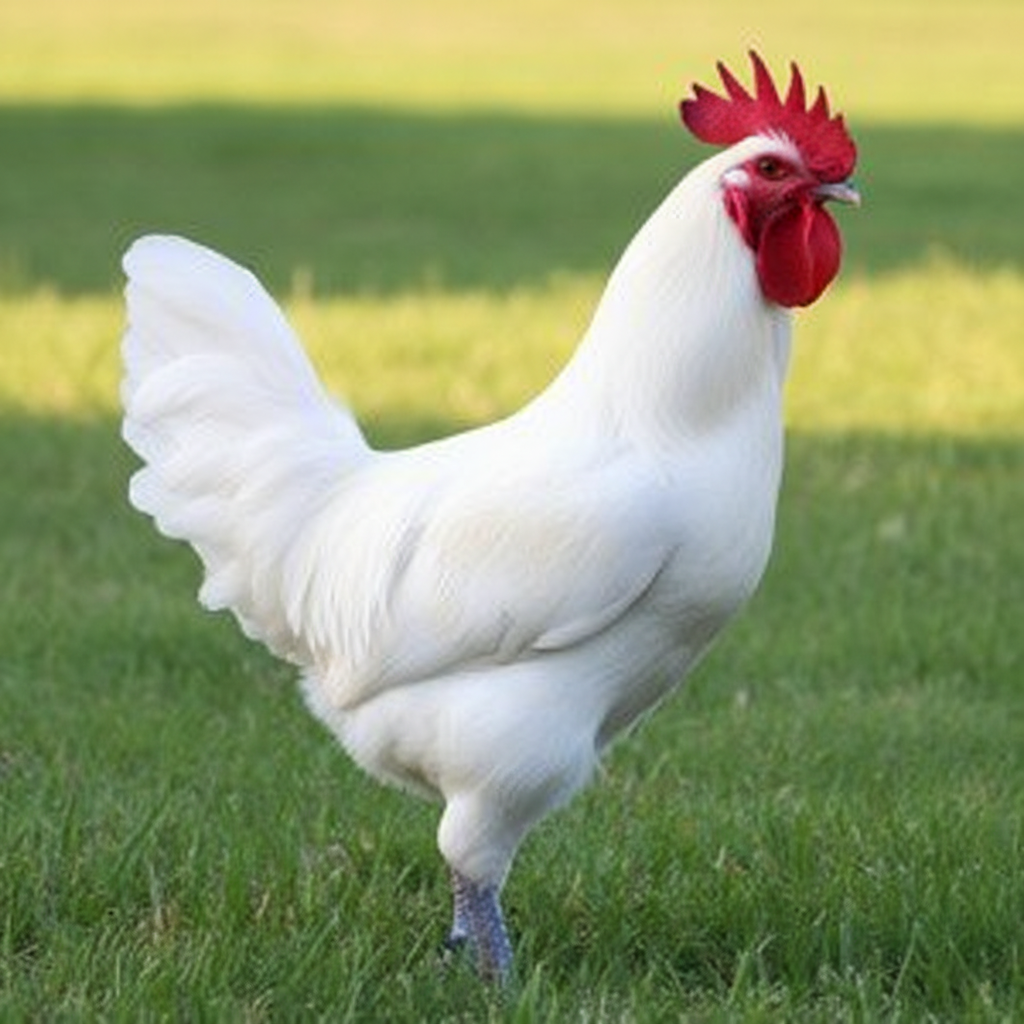
Bresse
French breed widely considered the best-tasting chicken in the world. Premium pick.
Read full Bresse breed profile →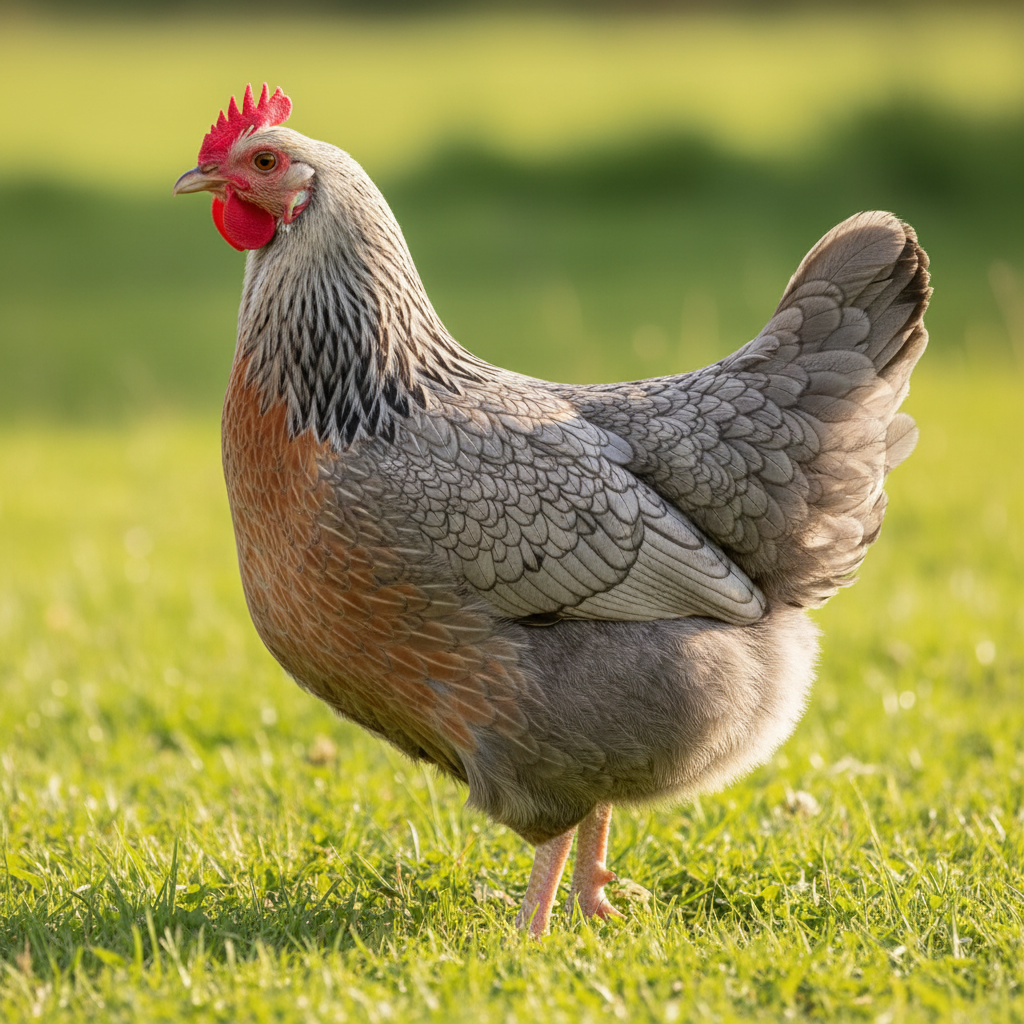
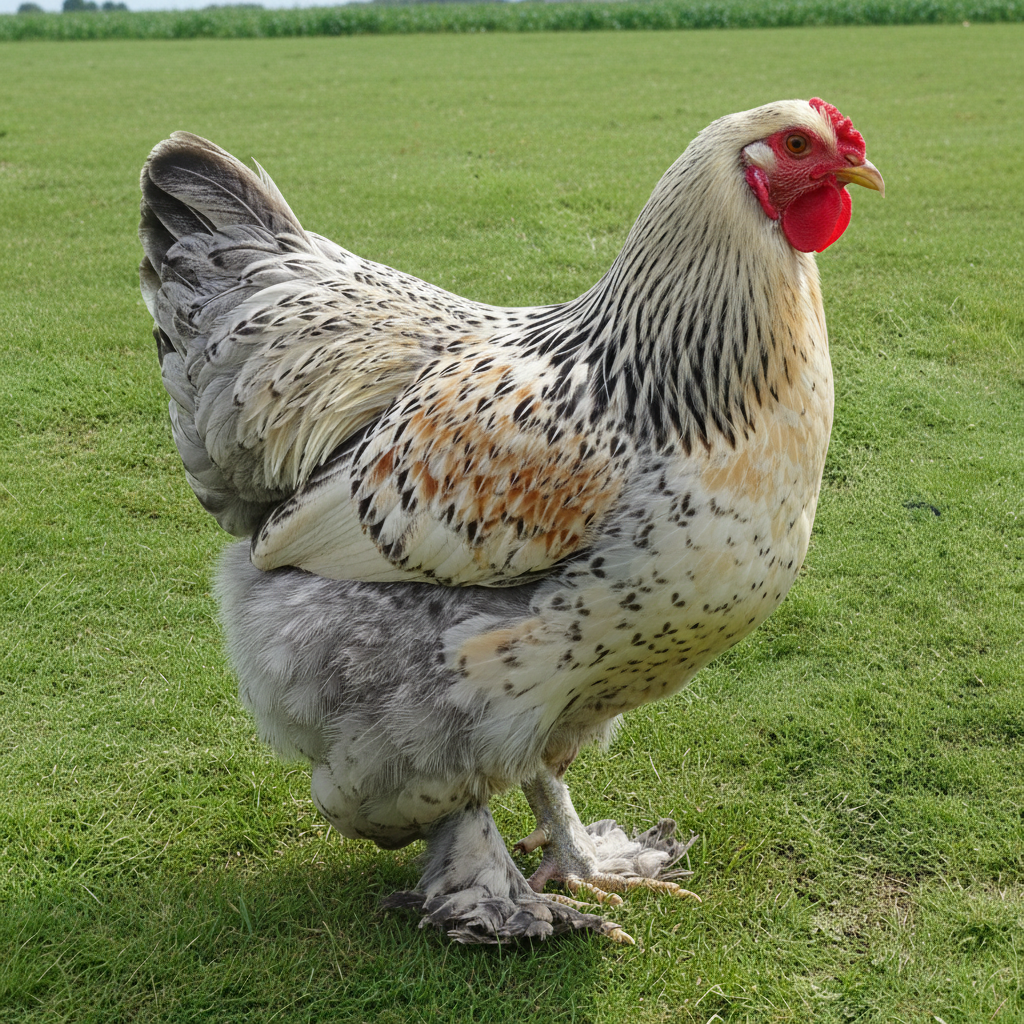
Brahma
Slow grower but huge. Good for soup or roasting at 12+ months.
Read full Brahma breed profile →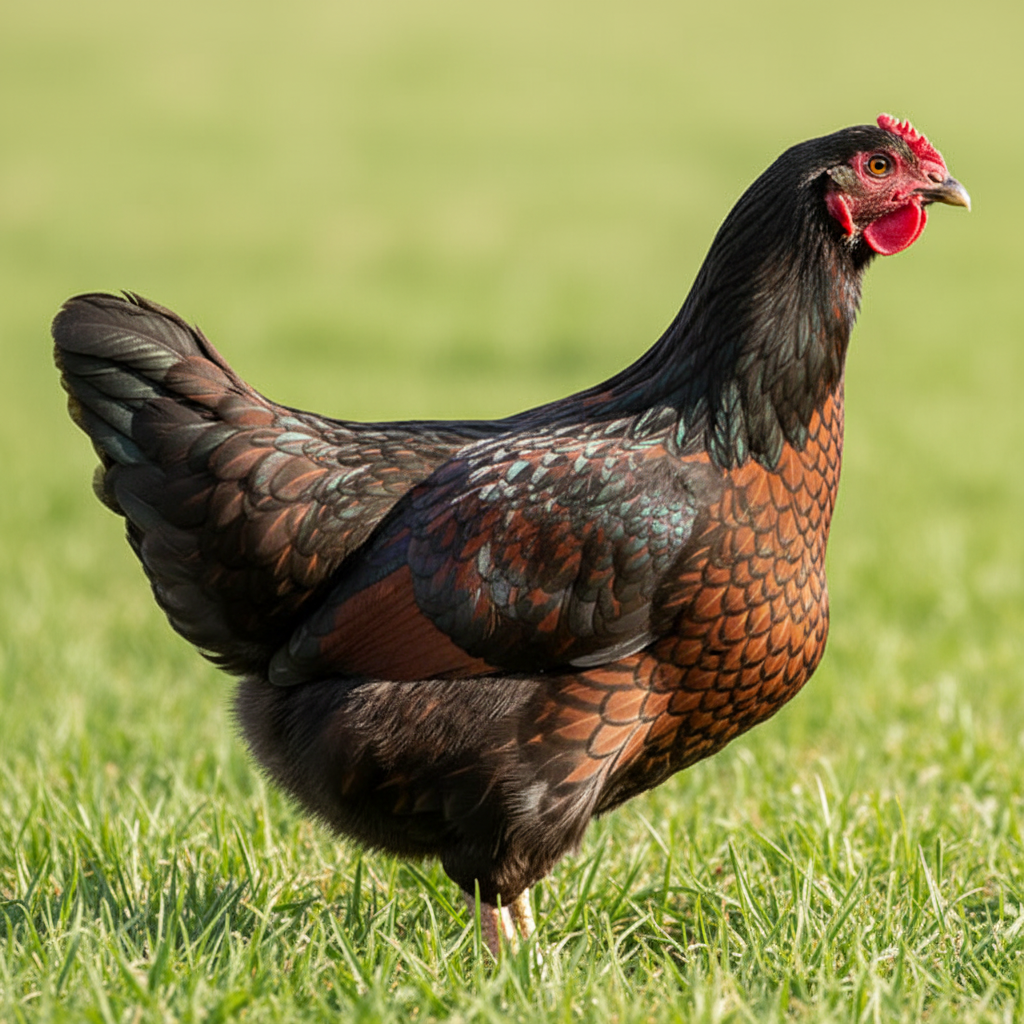
Cornish
Original meat breed (parent of Cornish Cross). Compact, muscular.
Read full Cornish breed profile →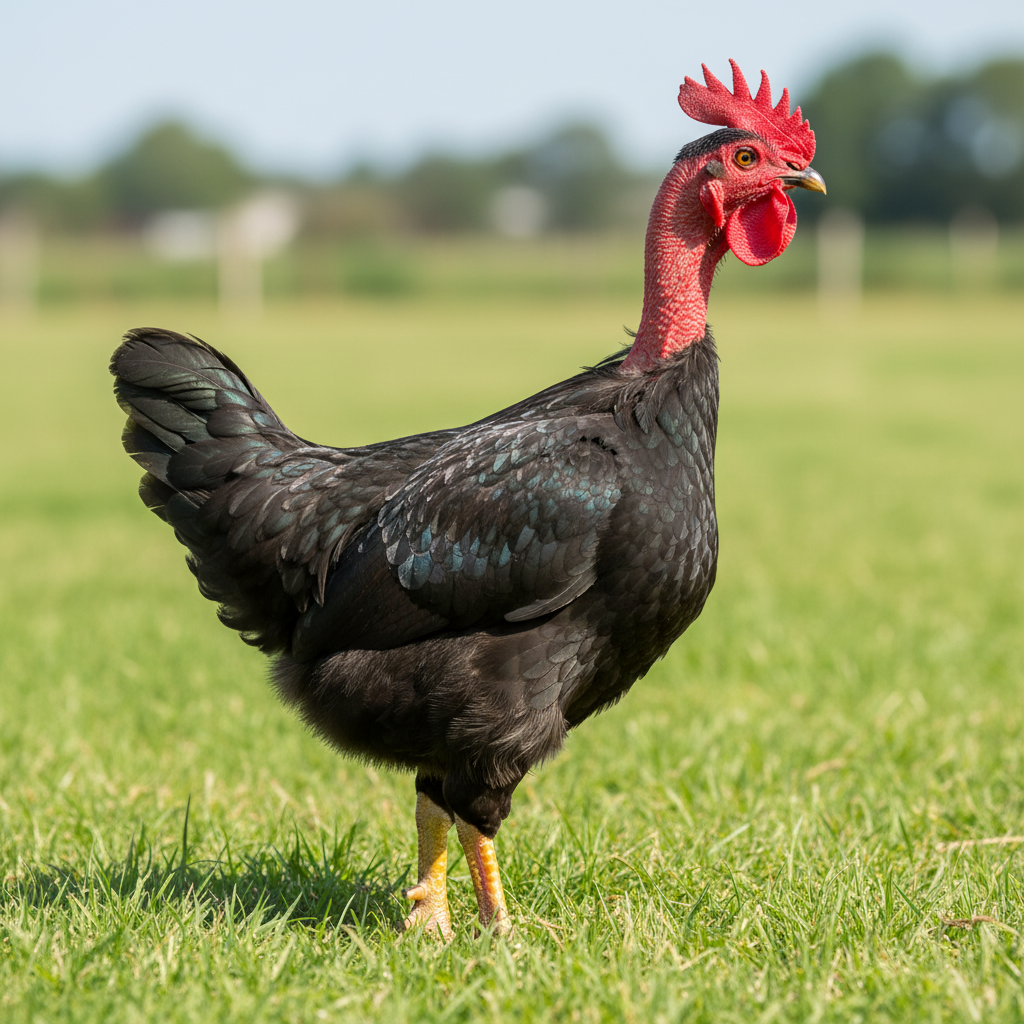
Naked Neck
Easy to pluck (already half-bare) and grow at a moderate pace.
Read full Naked Neck breed profile →Frequently asked questions
How long until meat chickens are ready to butcher?
Cornish Cross: 6-8 weeks. Freedom Rangers: 9-12 weeks. Heritage breeds: 16-24+ weeks.
Can you eat egg-laying hens?
Yes, older hens make excellent stewing or soup birds. Texture is tougher, so slow-cook them.
Are heritage meat birds worth it?
Better flavor, better life for the bird, but 2-3× the cost per pound of meat. Worth it for personal use, not for selling cheaply.
More breed roundups
- Best Chicken Breeds for Beginners
- Best Chicken Breeds for Cold Climates
- Best Chicken Breeds for Hot Climates
- Best Chicken Breeds for Kids and Families
- Best Chicken Breeds for Small Yards and Urban Coops
- Best Chicken Breeds for Colorful Eggs
- Best Chicken Breeds for Free-Ranging
- Best Quiet Chicken Breeds for Suburban Neighborhoods
Choosing a meat breed that fits your setup
Raising your own meat birds starts with one big choice. Do you want a fast-growing hybrid that is ready in weeks, or a heritage breed that grows slowly but lives a more normal chicken life? Both work. They just suit different keepers.
Fast hybrids versus heritage breeds
Commercial meat hybrids, often called Cornish Cross, grow very fast and reach butcher weight in a matter of weeks. They are efficient with feed and give a broad, meaty breast. The downside is that they are not built to live long. They can develop leg and heart problems if kept too long or overfed, and they are not very active.
Heritage breeds take several months to reach a good size. They forage more, handle weather better and can breed naturally. The meat is often firmer and more flavorful, with less breast and more dark meat. The Cornish is one parent of modern meat hybrids. Heritage options like the Delaware, Bresse and Buckeye are well regarded for the table.
Choose by your priorities
- Most meat, least time. A fast hybrid raised in a short batch.
- Self-sustaining flock. A heritage dual-purpose breed you can hatch yourself.
- Flavor and texture. Slower-growing heritage birds, raised on pasture.
- Cold or rough climates. Hardy heritage breeds cope far better than fast hybrids.
Mixing meat birds with laying hens
It usually works better to raise meat birds in a separate pen. Fast hybrids need a higher protein feed and grow at a pace that does not match layers. Layer feed has extra calcium that young meat birds do not need. Heritage meat breeds mix with a laying flock more easily, and many keepers raise extra cockerels from their own hatches for the table.
Pitfalls with meat birds
- Keeping fast hybrids too long. Plan the processing date before you buy chicks.
- Overcrowding. Fast-growing birds fill space quickly and soil bedding fast.
- No processing plan. Decide whether you will process at home or use a local processor, and book ahead in busy seasons.
- Expecting heritage birds to look like store chickens. They are leaner and shaped differently.
The feed calculator helps you estimate costs per batch so you can compare options.
Common questions about meat chicken breeds
How long does it take to raise meat chickens?
Fast hybrids reach butcher weight in weeks. Heritage breeds take several months. Exact timing depends on the line and your goal weight.
Can I eat my laying hens?
Yes, but older hens are tough. They are best cooked slowly in soups, stews or stock.
Are meat chickens hard to raise?
Not hard, but they need clean bedding, steady feed and water, and a firm schedule.
