

Naked Neck
Also known as Turken, Transylvanian Naked Neck
Also known as: Turken, Transylvanian Naked Neck
Is the Naked Neck right for you? Take the Breed Matcher →About the Naked Neck
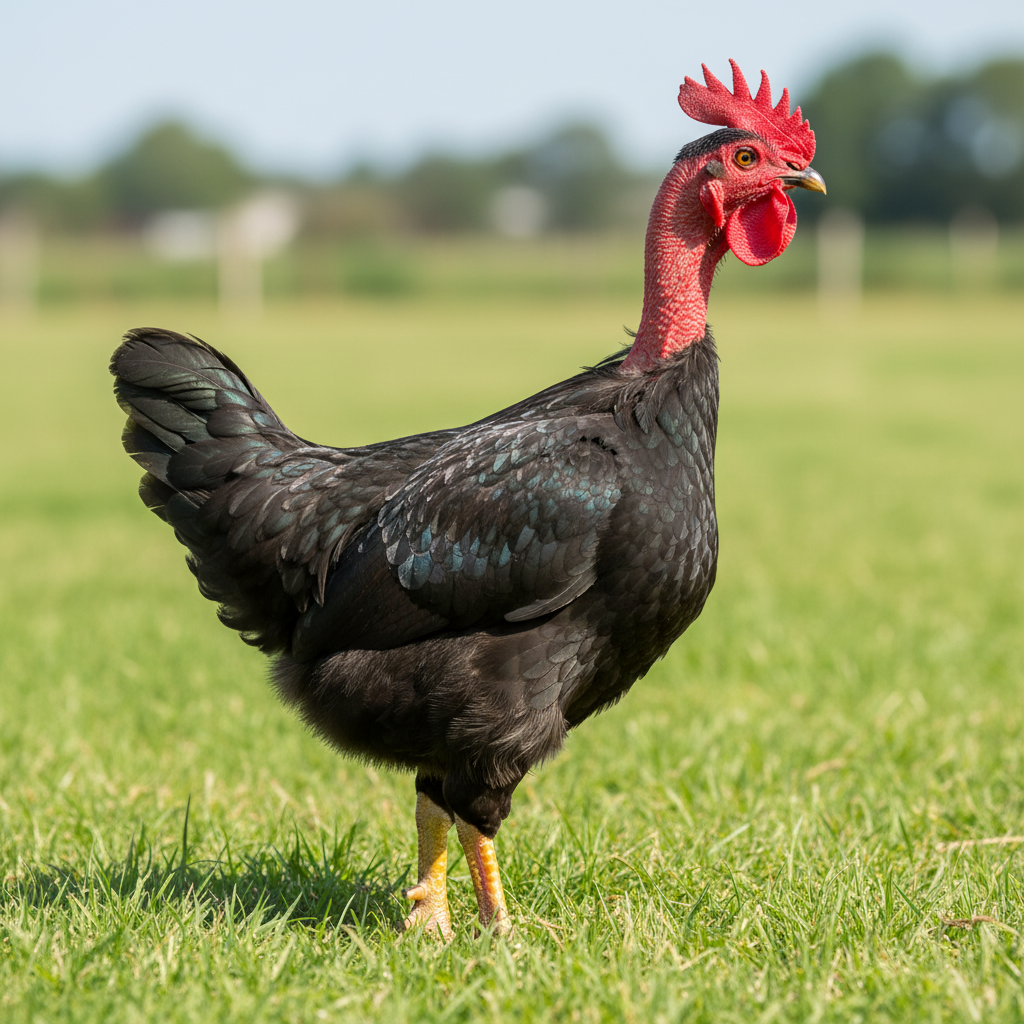
The Naked Neck is characterized by its lack of feathers on the neck, giving it a distinct appearance that resembles both chickens and turkeys. Their bodies are robust, with a broad chest and a friendly temperament, making them wonderful additions to backyard flocks. Despite their unusual look, they are generally well-loved for their calm nature and good mothering instincts.
History
This breed is believed to have originated in the early 1900s in Hungary and Romania, where it was valued for both meat and egg production. The Naked Neck gained popularity over the years and has spread to various countries, admired for its hardiness and adaptability to different climates.
Care tips
Naked Necks are quite hardy and adapt well to a variety of living conditions, but they do benefit from extra warmth in colder weather due to their missing neck feathers. They are generally good foragers and require sufficient space to roam. Regular checkups for skin irritations are advisable since their bare necks can be susceptible to sunburn.
Color varieties
Fun facts
- Naked Necks are known for being friendly and gentle pets.
- They are excellent foragers, thriving on a diverse diet.
- This breed can be quite broody, making them good mothers.
- Despite their odd appearance, they are efficient egg layers.
Living with Naked Necks
Naked Necks are often called Turkens because people thought they were a cross between a chicken and a turkey. They are not. The bare neck comes from a single dominant gene in a normal chicken. The breed was developed in Transylvania, in present day Romania, which is why it is sometimes called the Transylvanian Naked Neck.
Fewer feathers, more heat tolerance
Naked Necks have far fewer feathers than most breeds, not just on the neck. That makes them good at handling heat, and they are a popular choice for hot climates. Fewer feathers also make plucking easier if you raise them for meat. The bare skin turns red in the sun, and pale-skinned birds can sunburn, so give them shade.
Cold is fine with shelter
Many people expect them to freeze, but Naked Necks handle cold better than you might think. Give them a dry, draft-free coop and they usually do fine. Watch single combs in hard freezes.
Day to day
They are calm, sturdy and friendly. Most keepers find them easy to handle. They forage well. They are a good dual-purpose bird, with brown eggs at a decent rate and a good carcass. Some hens go broody.
Love them or hate them
Their look divides people. Visitors either think they are ugly or love them. If you are building a flock for looks, decide if you will enjoy them. If you care about practical traits, they are hard to beat in heat.
Where to get them
Many US hatcheries sell Naked Necks in several colors. They are easy to find. For more birds that do well in warm areas, see the Fayoumi, a light, heat-tolerant breed.
Common questions about Naked Necks
Are Naked Necks part turkey?
No. They are fully chicken. The bare neck comes from a single gene.
Do Naked Necks get cold in winter?
They cope well with a dry, draft-free coop.
Are Naked Necks good layers?
Yes, decent layers of brown eggs.
