


Best Chicken Breeds for Hot Climates
Heat-hardy breeds have big combs to radiate heat, lean bodies, and Mediterranean genes that evolved in summer sun. Try these for the desert Southwest, Gulf Coast, or anywhere 100°F is a normal week.
Not sure which breed fits you?
Answer 6 quick questions and our AI matches you to ideal breeds.
Take the Breed Matcher quizWhat we looked for
- Large single comb to radiate heat
- Lean, lightweight body
- Active foragers (less coop time)
- Mediterranean or Asian heritage
- White or light-feathered when possible
The ranked picks
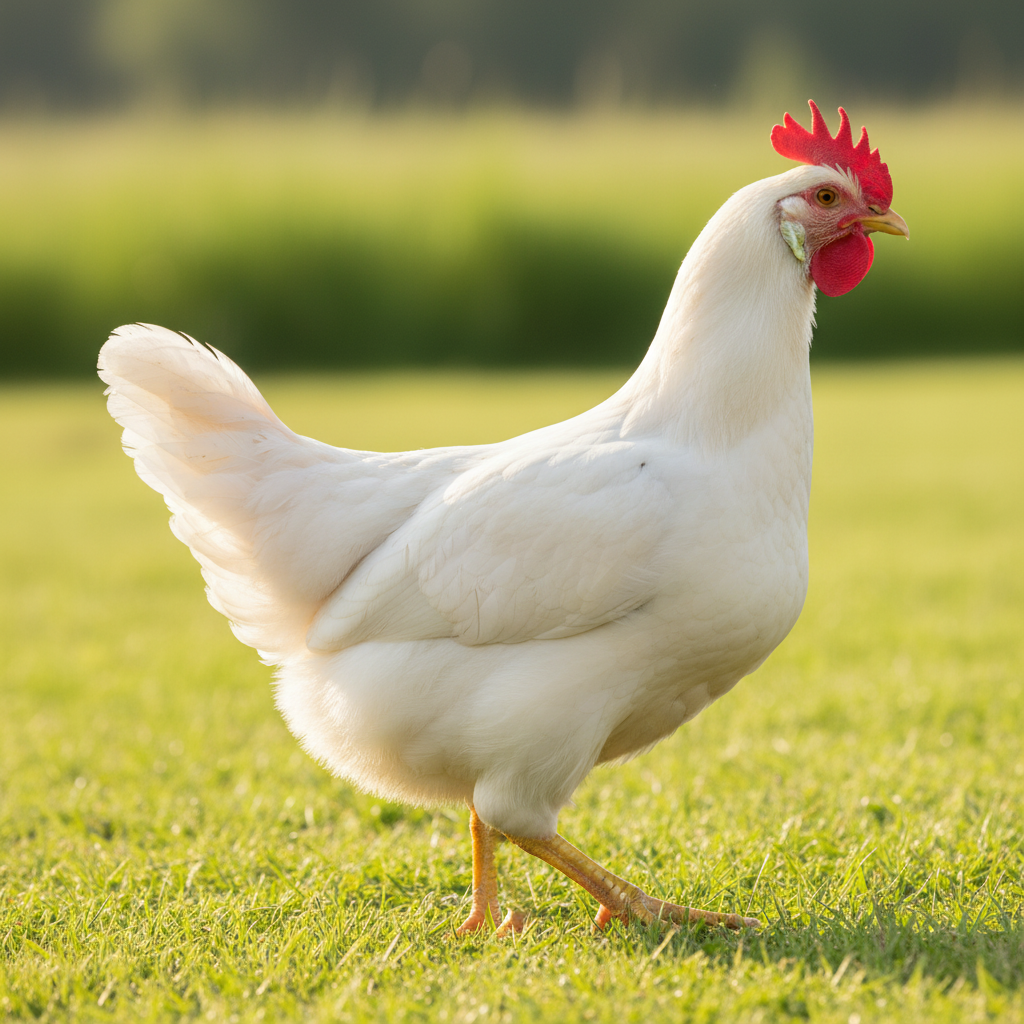
Leghorn
The egg machine of the Mediterranean. Large single comb, lean body, 280+ white eggs a year. Top heat pick.
Read full Leghorn breed profile →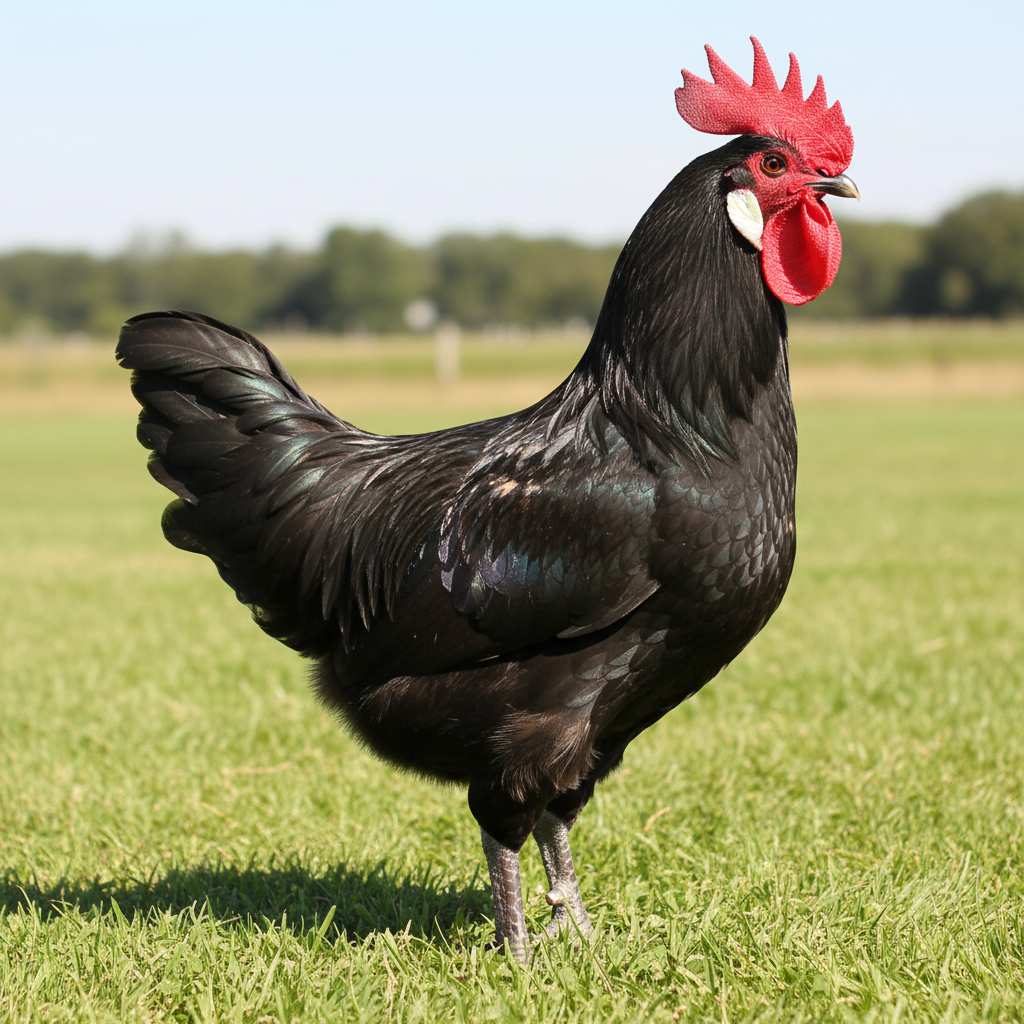
Minorca
Massive comb radiates heat, lays huge white eggs. Sleek, active, and barely sweats.
Read full Minorca breed profile →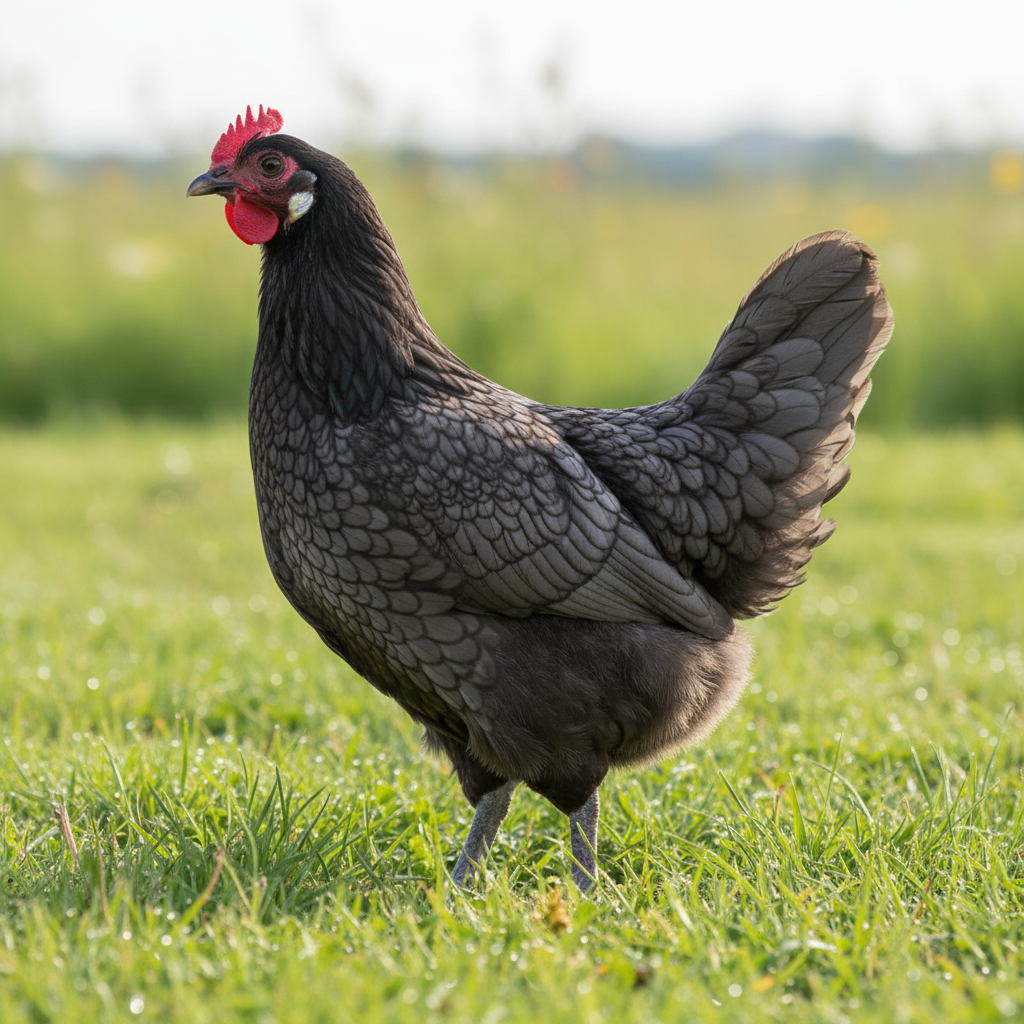
Andalusian
Slate-blue beauty from Spain. Excellent heat tolerance and a steady layer of white eggs.
Read full Andalusian breed profile →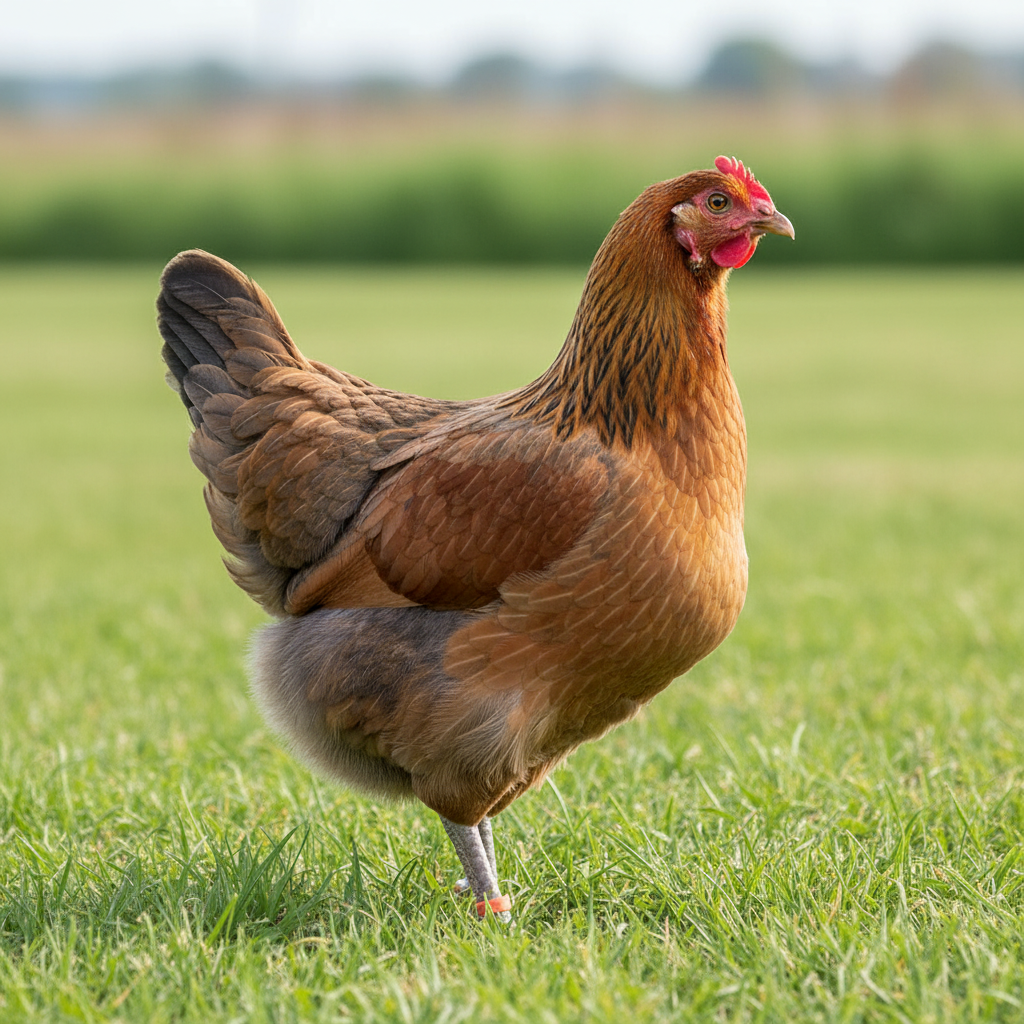
Easter Egger
Mixed genes mean variable tolerance, but most handle heat well and lay colored eggs.
Read full Easter Egger breed profile →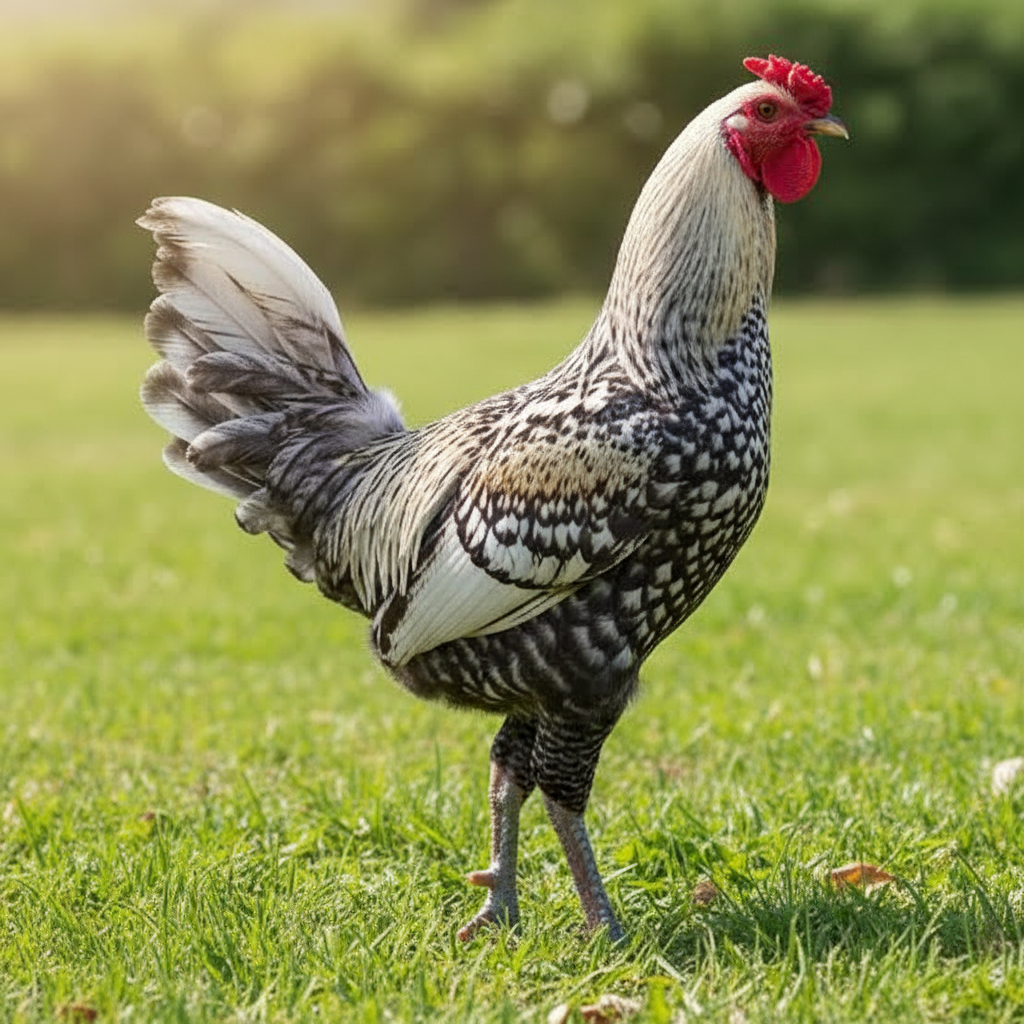
Egyptian Fayoumi
Evolved in the Nile Delta, handles desert heat better than almost any breed. Lay small white eggs and resist disease.
Read full Egyptian Fayoumi breed profile →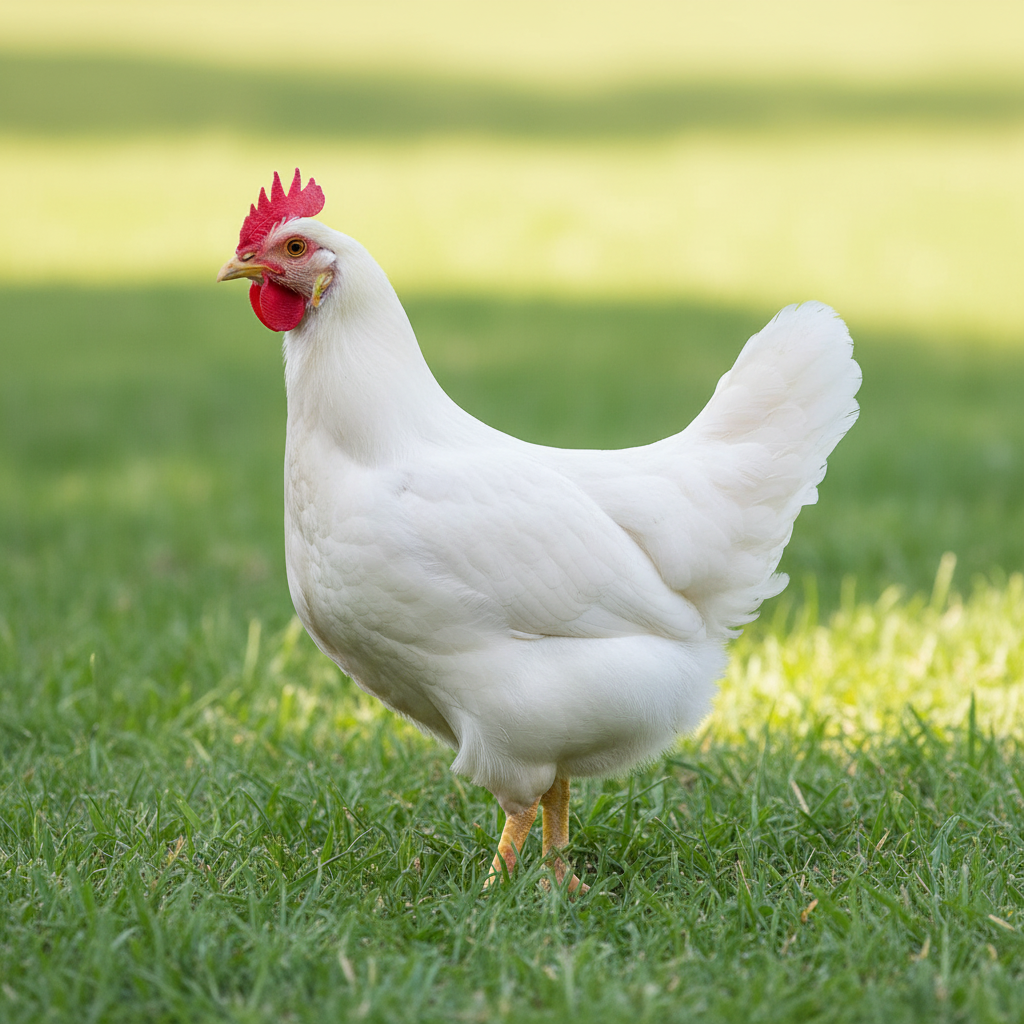
White Leghorn
White feathering reflects sun. Same lay power as standard Leghorns.
Read full White Leghorn breed profile →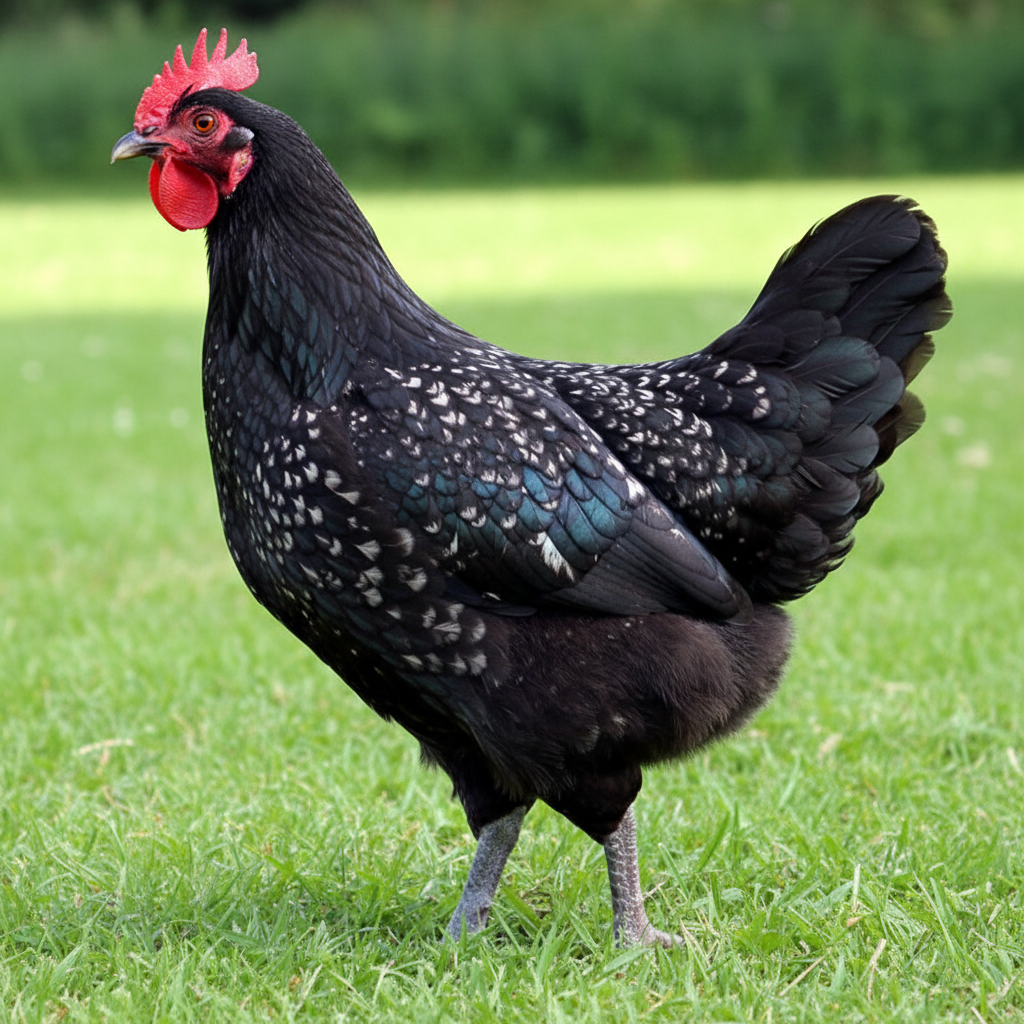
Ancona
Mottled Mediterranean breed, active, heat-tolerant, lays 220+ white eggs.
Read full Ancona breed profile →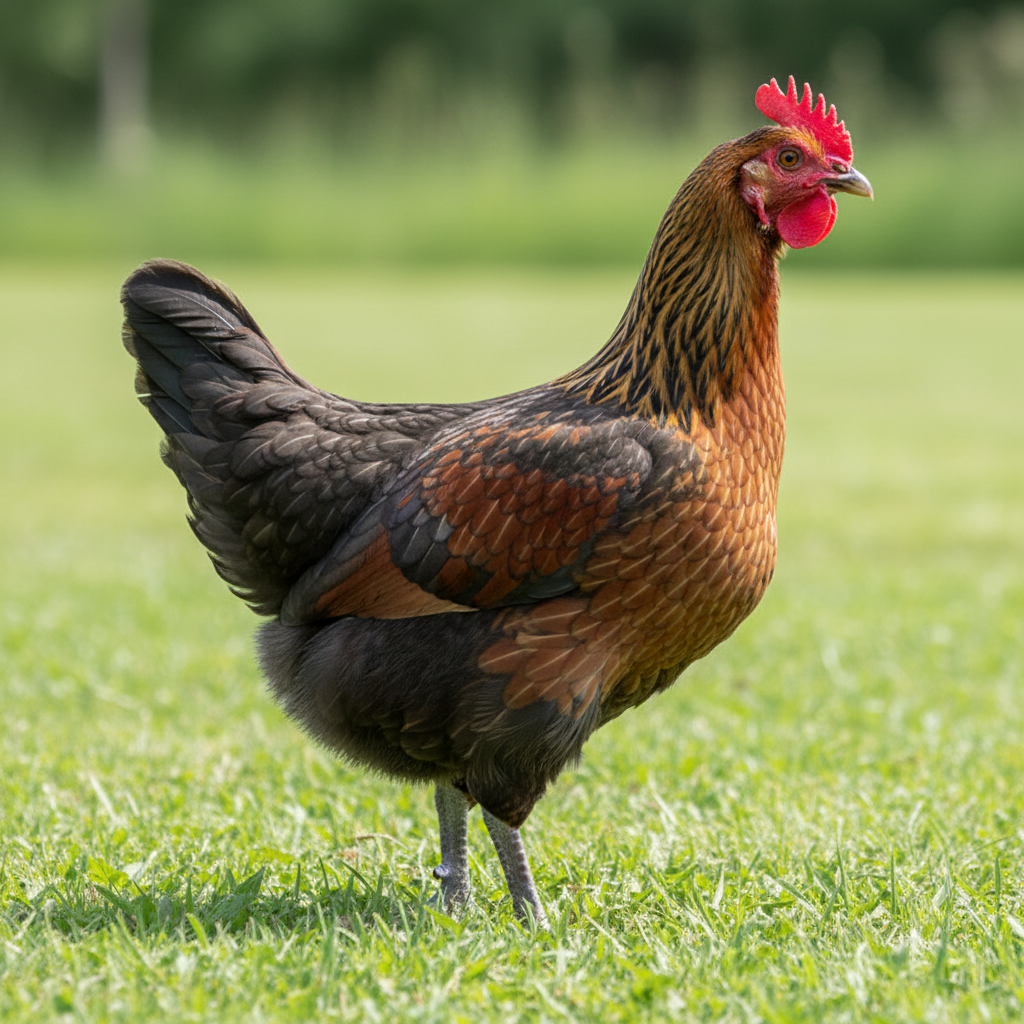
Penedesenca
Spanish breed famous for the darkest chocolate-brown eggs and outstanding heat tolerance.
Read full Penedesenca breed profile →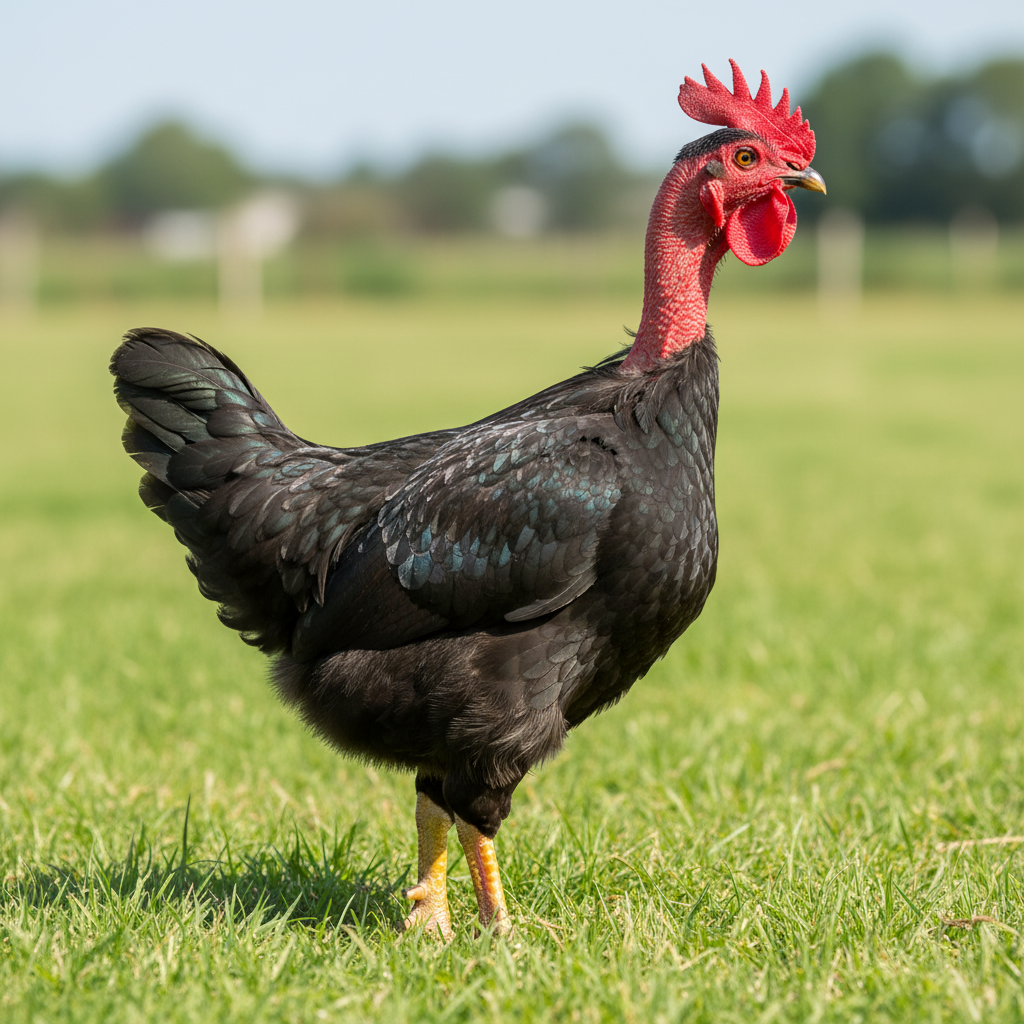
Naked Neck
No neck feathers means built-in heat dump. Strange-looking but very practical in hot climates.
Read full Naked Neck breed profile →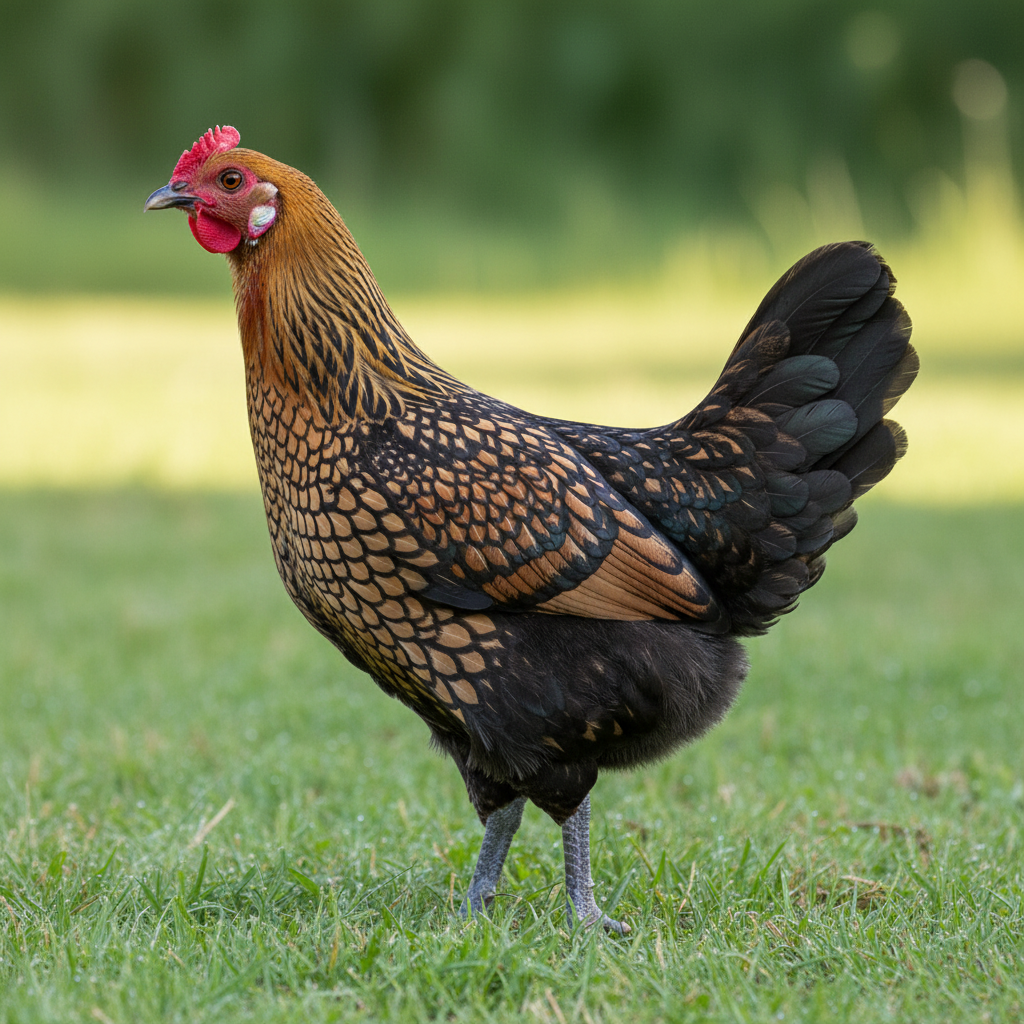
Frequently asked questions
How hot is too hot for chickens?
Healthy birds start to suffer over 95°F if humid, or 100°F+ dry. Provide deep shade, frozen treats, and shallow pans of water for foot cooling.
Do white chickens really stay cooler?
Yes, white feathers reflect more solar radiation. Combined with a large comb, white Leghorns are some of the most heat-tolerant birds.
Should I avoid feather-footed breeds in hot climates?
Feather-footed birds (Brahma, Cochin) tolerate heat surprisingly well if shaded, but they're better matched to cool climates.
More breed roundups
- Best Chicken Breeds for Beginners
- Best Chicken Breeds for Cold Climates
- Best Chicken Breeds for Kids and Families
- Best Chicken Breeds for Small Yards and Urban Coops
- Best Chicken Breeds for Colorful Eggs
- Best Chicken Breeds for Meat
- Best Chicken Breeds for Free-Ranging
- Best Quiet Chicken Breeds for Suburban Neighborhoods
Choosing chickens that can take the heat
Heat is harder on chickens than cold. They do not sweat, so they cool off by panting, holding their wings away from their bodies and shedding heat through their combs and wattles. Breeds that handle heat well tend to share a few traits you can look for, even beyond the names on this page.
Traits of a heat-tolerant chicken
- A large comb and wattles. These act like radiators. Mediterranean breeds such as the Leghorn and Minorca have big ones.
- A light, lean body. Less mass means less heat to get rid of.
- Tight, sleek feathers. Fluffy breeds hold heat close to the body.
- Light feather color. White and light birds tend to absorb less sun than black ones.
- Fewer feathers. The Naked Neck has a bare neck that helps it shed heat.
Picking the right one for your climate
In dry heat, active breeds that forage in the shade, such as the Egyptian Fayoumi and Leghorn, often do very well. In humid heat, airflow and shade matter even more, since panting works less well when the air is damp. If you want calmer, friendlier birds, some hardy dual-purpose breeds such as the Rhode Island Red cope with heat reasonably well when given good shade. Heavy, fluffy breeds like Cochins and Brahmas struggle most.
Mixing breeds in a hot-climate flock
Many heat-tolerant breeds are active and a bit flighty. Mixed with calm heavy birds, they may bully at the feeder or startle the others. If you mix, give the flock plenty of room and several shady spots, so no bird has to compete for the coolest corner. Keep an eye on darker or heavier hens on the worst days. They will show heat stress first.
Pitfalls in hot climates
- A coop with no cross ventilation. Hot air needs a way out near the roof.
- Waterers left in the sun. Warm water is less appealing, and birds drink less.
- Treats in the afternoon heat. Scratch grains and heavy treats add body heat. Offer cool, watery foods instead.
- Assuming a breed list means no care is needed. Even heat-tolerant birds need shade and water.
Common questions about hot-climate chicken breeds
How do I know my chicken is too hot?
Panting, wings held out, pale combs and lethargy are warning signs. A bird that is staggering or collapsing needs help right away. The heat stress guide covers first steps, and call a vet if she does not recover quickly.
Do chickens stop laying in the heat?
Many slow down in very hot weather, and shells may get thinner. Laying usually picks back up when temperatures ease.
Are black chickens bad for hot climates?
They can be kept in hot areas, but they absorb more sun. Give them extra shade and watch them closely on hot days.
