

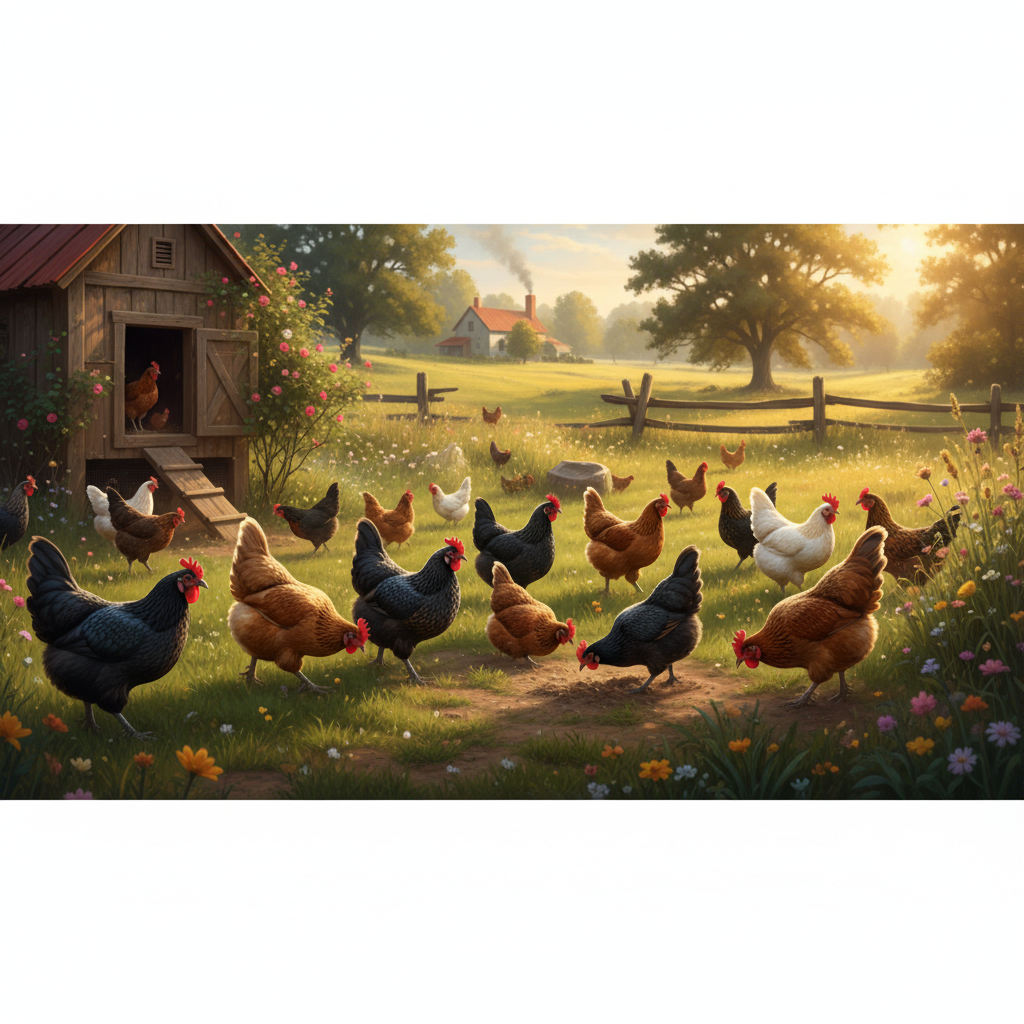
Best Chicken Breeds for Free-Ranging
Free-range birds need to be alert, active, weather-hardy, and clever enough to evade hawks. These 10 thrive on pasture and can forage 30-50% of their own food.
Not sure which breed fits you?
Answer 6 quick questions and our AI matches you to ideal breeds.
Take the Breed Matcher quizWhat we looked for
- Active and alert
- Excellent forager
- Weather-hardy
- Wary of predators
- Lays well on a varied diet
The ranked picks
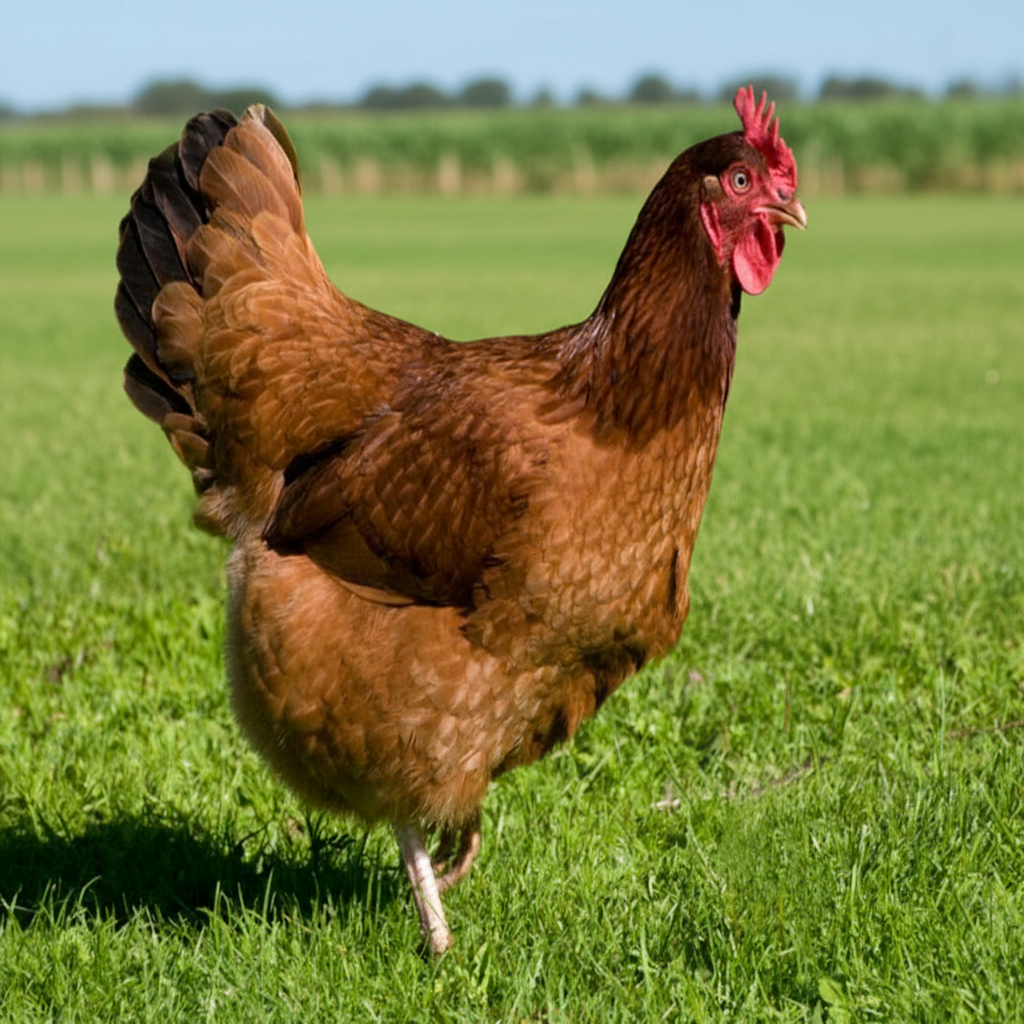
Rhode Island Red
Tough, smart foragers. The classic homestead bird.
Read full Rhode Island Red breed profile →
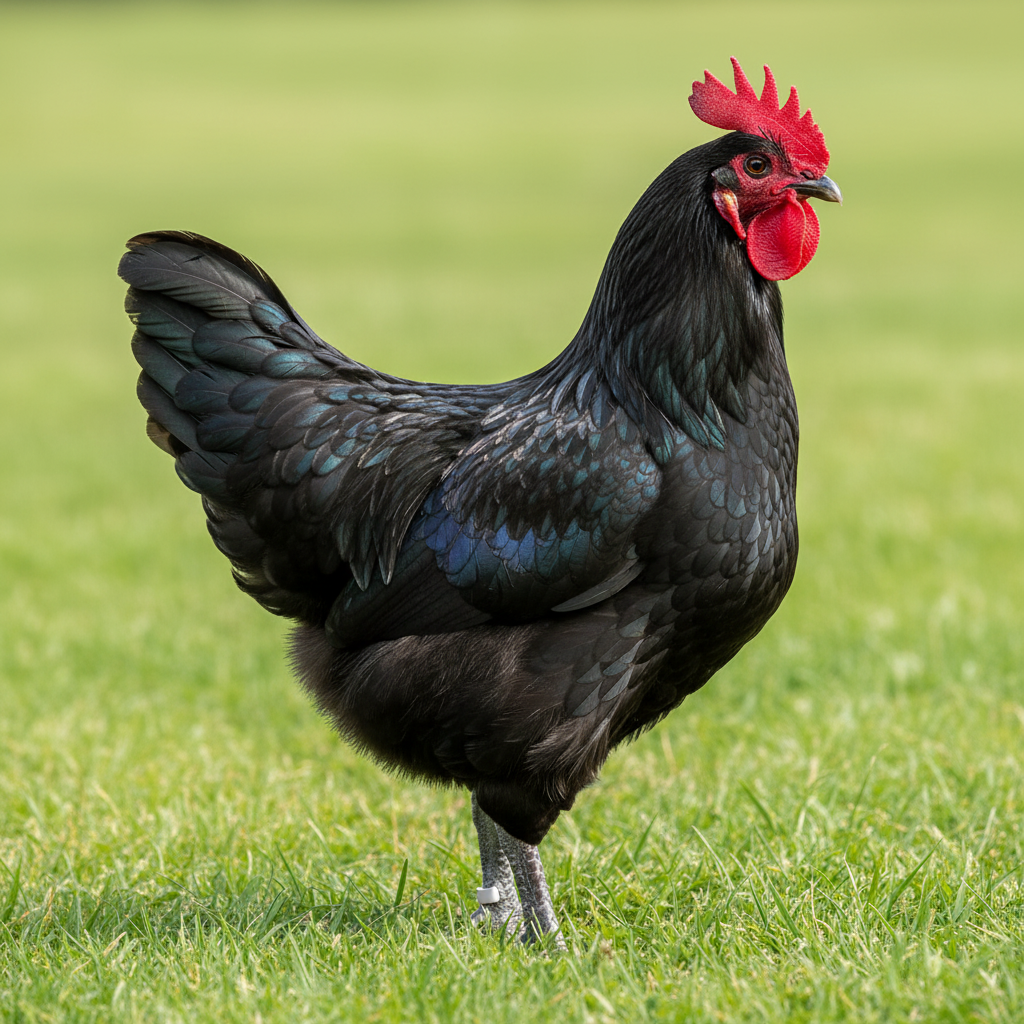
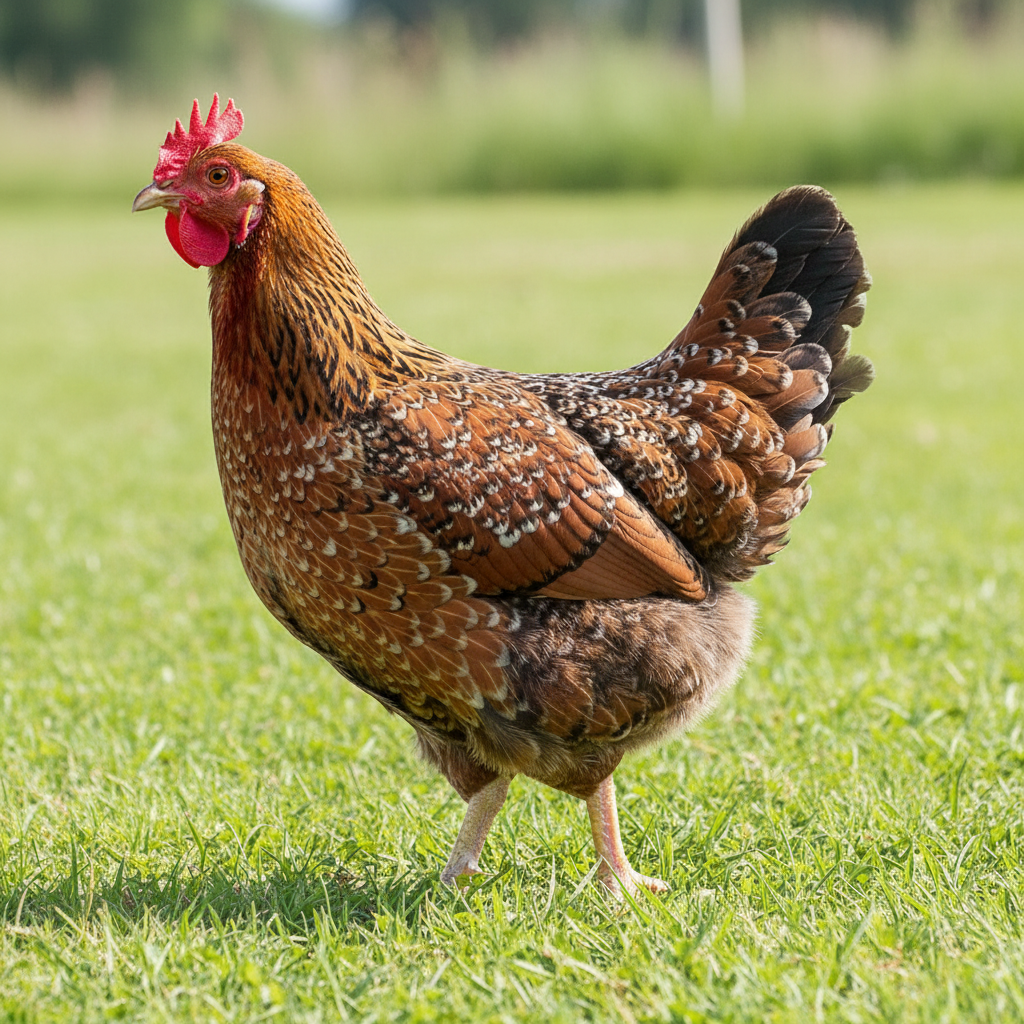
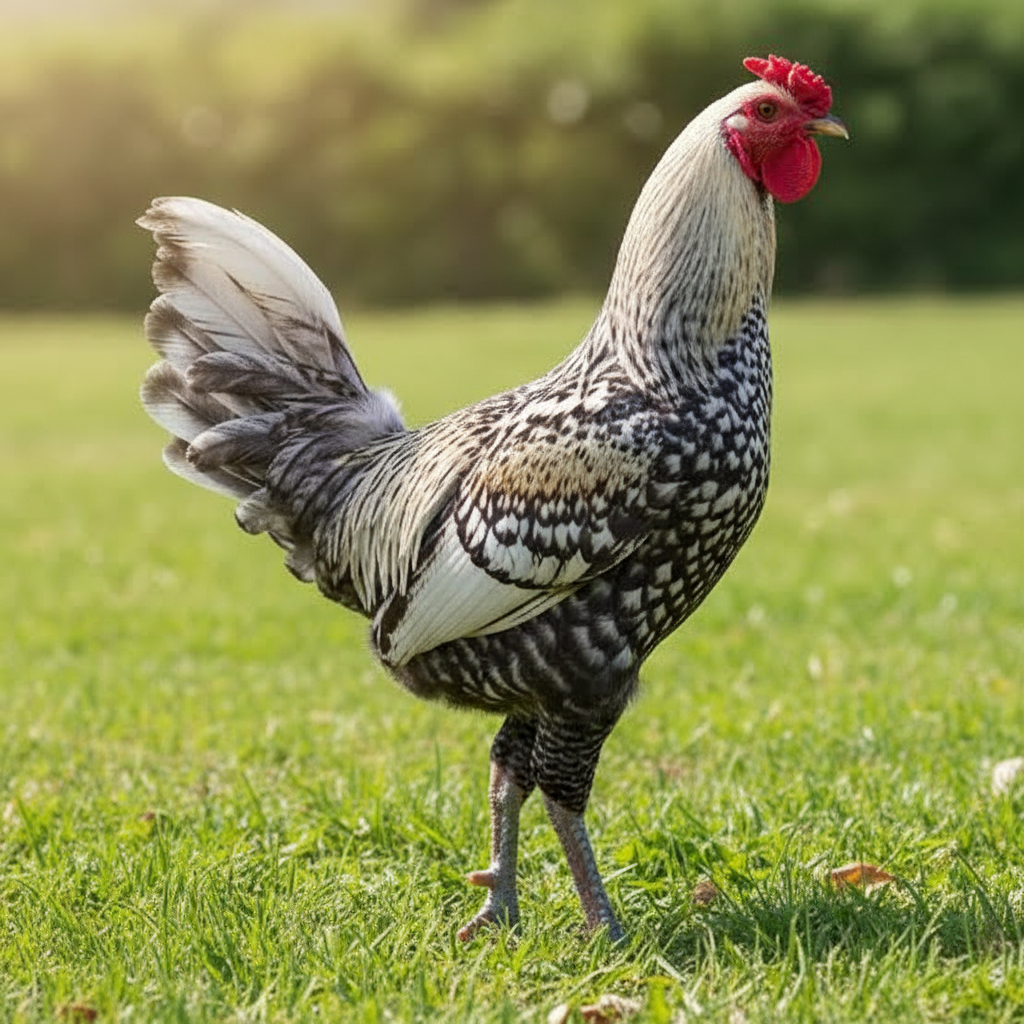
Egyptian Fayoumi
Wild-style breed that practically lives outside. Hawk-aware.
Read full Egyptian Fayoumi breed profile →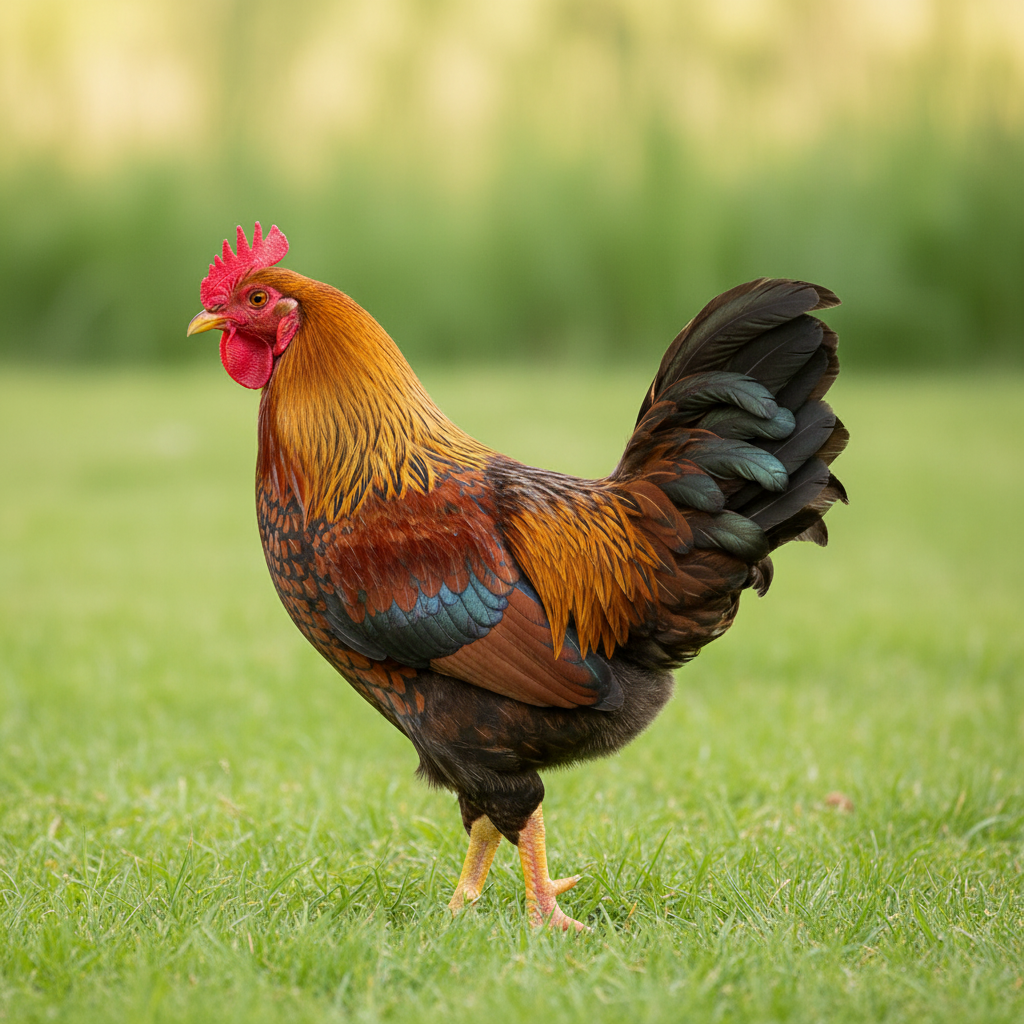
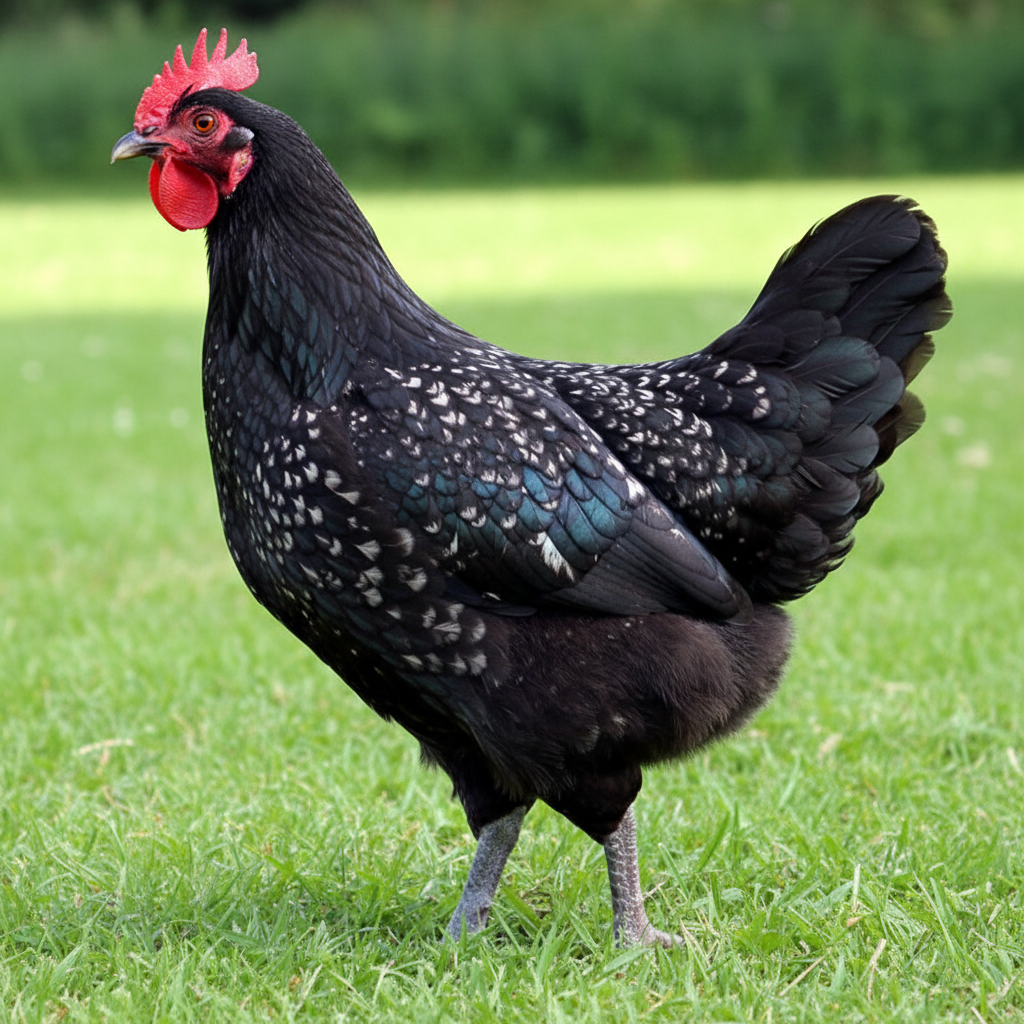
Ancona
Lightweight Mediterranean breed, fast and flighty enough to evade most predators.
Read full Ancona breed profile →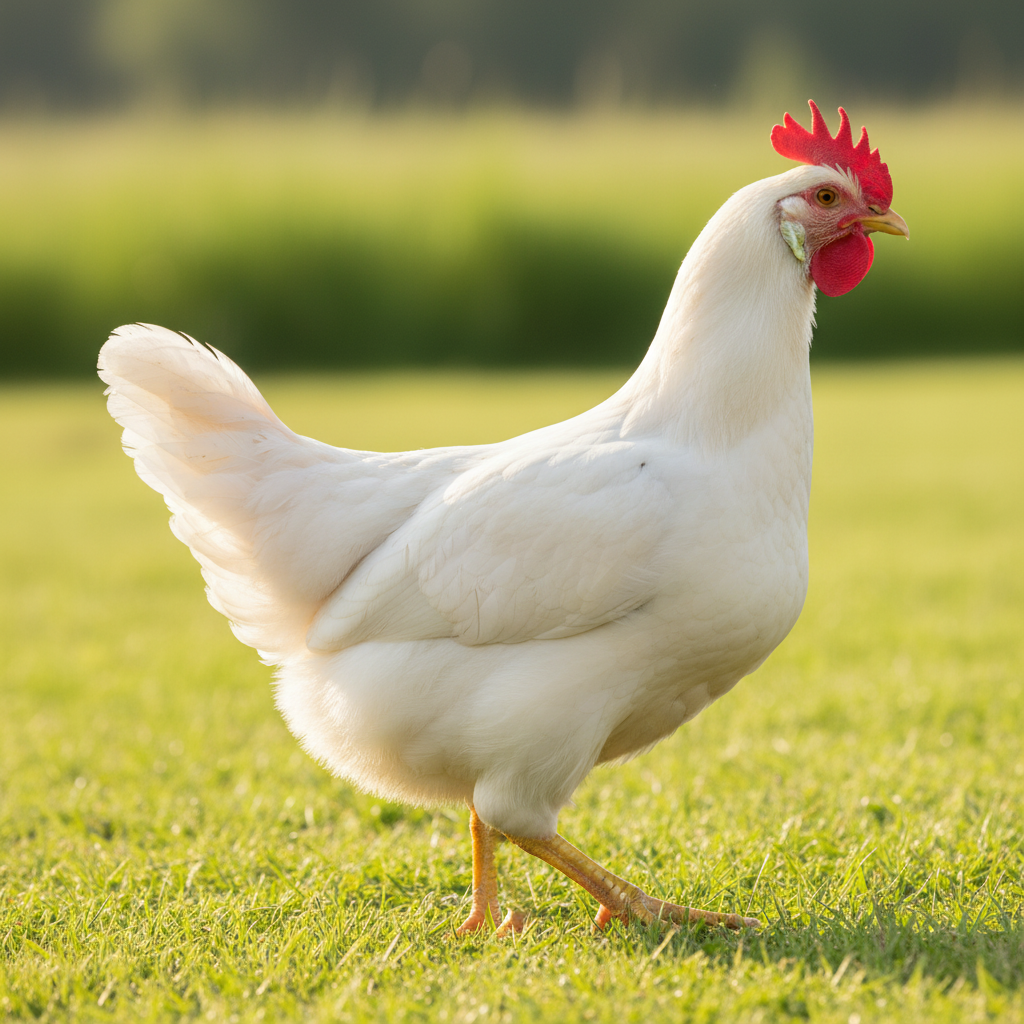
Leghorn
Fast, active, foragers. Lay well even on partial pasture diet.
Read full Leghorn breed profile →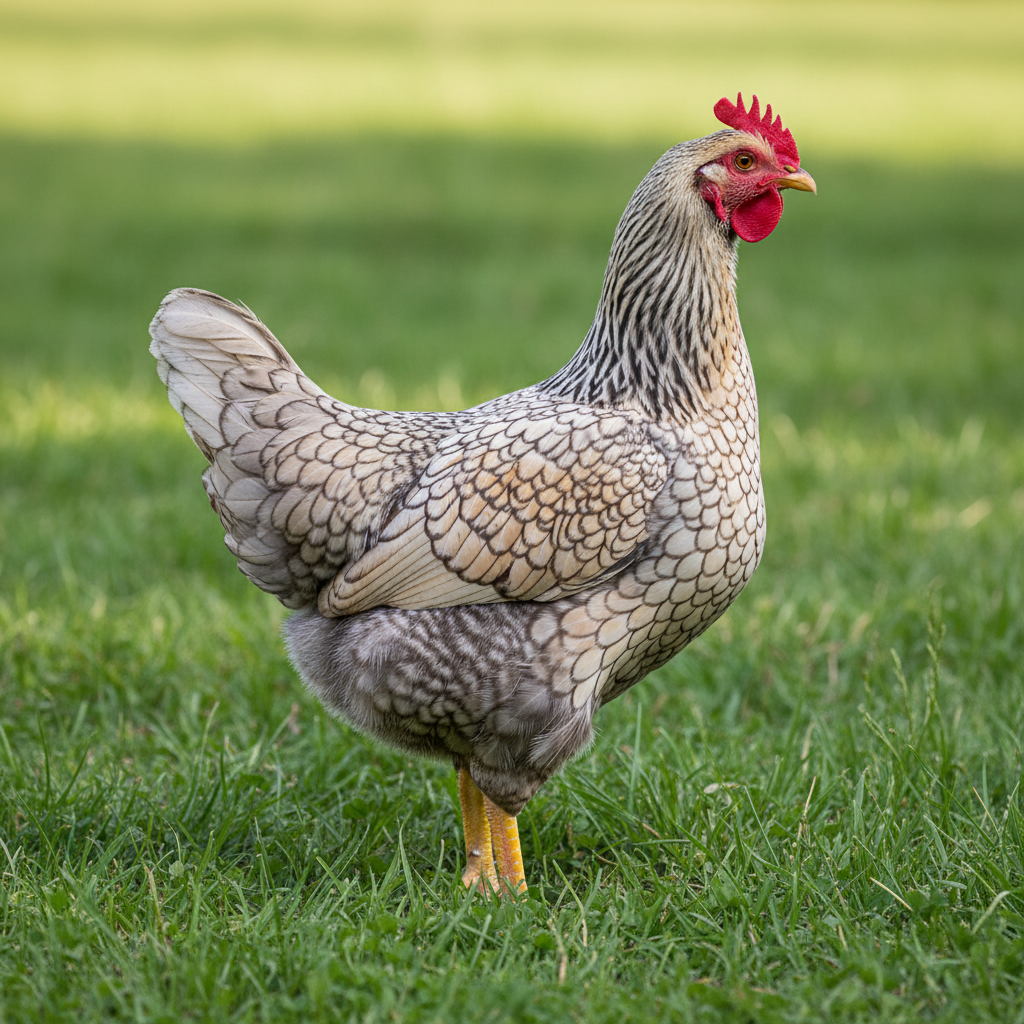
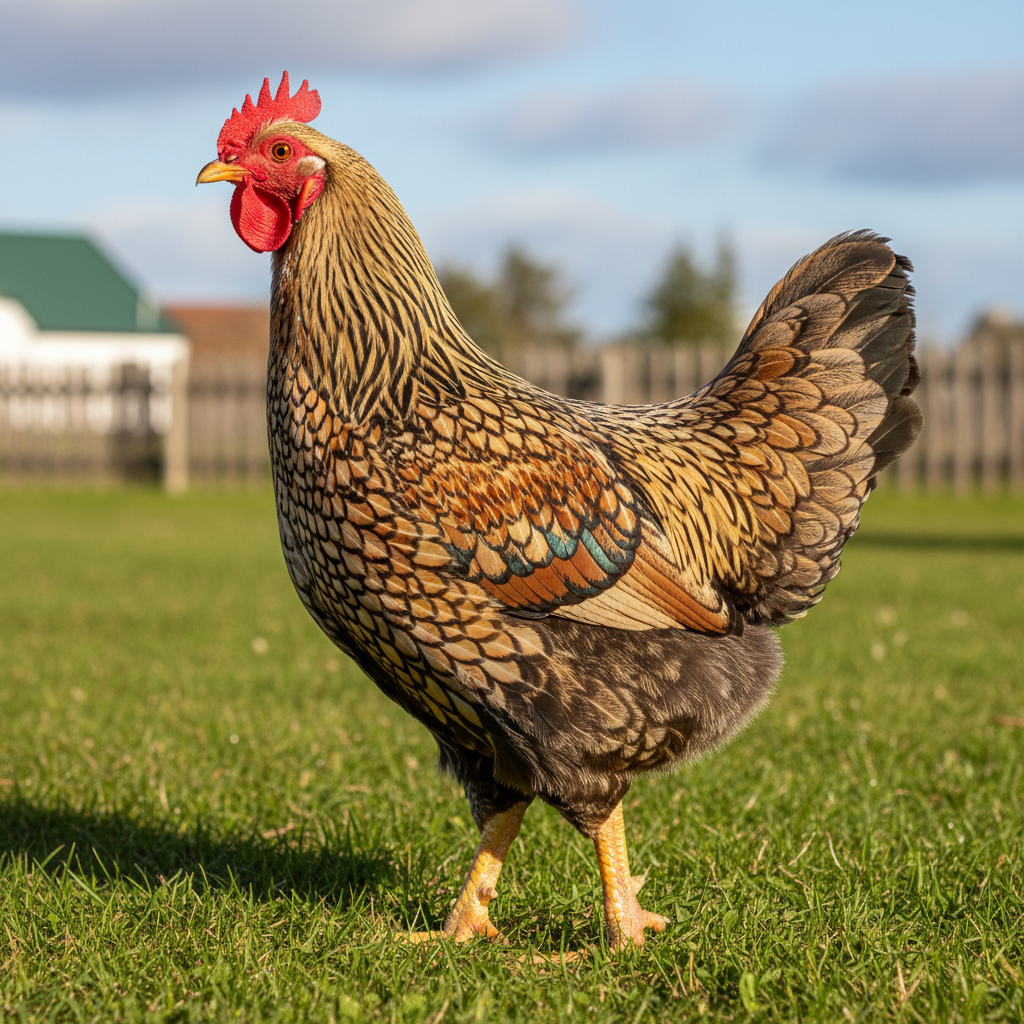
Icelandic
Landrace breed bred for centuries to survive on minimal feed. Practically wild.
Read full Icelandic breed profile →Frequently asked questions
How much can free-range chickens forage on their own?
On good pasture they can find 20-50% of their diet. They still need layer feed for protein and calcium balance.
Do free-range chickens really lay more eggs?
Egg quality (yolk color, omega-3s) improves significantly. Total egg count is similar to confined birds.
How do I protect free-range chickens from hawks?
Provide overhead cover (shrubs, tarps), add a guardian (rooster, dog, geese), and lock up at dusk.
More breed roundups
- Best Chicken Breeds for Beginners
- Best Chicken Breeds for Cold Climates
- Best Chicken Breeds for Hot Climates
- Best Chicken Breeds for Kids and Families
- Best Chicken Breeds for Small Yards and Urban Coops
- Best Chicken Breeds for Colorful Eggs
- Best Chicken Breeds for Meat
- Best Quiet Chicken Breeds for Suburban Neighborhoods
Picking a breed that thrives free-ranging
Free-ranging chickens find a lot of their own food, scratch up pests and live a busy, natural life. They also face predators that a penned bird never sees. The best free-range breeds are alert, quick and good at finding food. Here is how to choose for your land and your risk.
What makes a strong forager
- Alertness. Birds that spot hawks and run for cover live longer.
- Speed and flight. Lighter breeds can escape on foot or by flying up.
- Camouflage. Brown, barred or speckled patterns are harder for hawks to spot than white.
- Drive to forage. Some breeds roam far and eat less feed. Others hang near the coop.
Matching breed to your property
On open land with lots of hawks, look for wary, camouflaged birds. The Welsummer is a good forager with brown coloring that blends into the ground. Barred birds like the Dominique are also hard to spot. On land with woods and cover, active birds such as the Leghorn or Hamburg can range widely, though white birds stand out more. If you only free-range in a yard for a few hours, calmer heavy breeds such as Orpingtons are fine, since they stay close and come back when called with treats.
Mixing breeds when free-ranging
Mixed flocks can work well. Some keepers pair a wary, alert breed with calmer birds, since the alert ones give alarm calls the rest respond to. Very flighty birds may lead others into a neighbor's garden, though. If one breed keeps roaming too far, it may set the pattern for the whole flock.
Pitfalls with free-ranging
- Losing birds at dusk. Most losses happen near sunset. Lock up every night.
- Eggs laid in hidden spots. Keep hens in the coop until mid-morning so they lay in the nest boxes.
- Garden damage. Chickens love seedlings. Fence the garden, not the birds.
- Toxic plants and sprays. Keep birds away from treated lawns and chemicals.
Common questions about free-range chickens
Will free-range chickens come back to the coop?
Usually, yes. Keep them in the coop for a week or so first so they learn it is home. Most head back on their own at dusk.
Do free-range chickens still need feed?
Yes. Forage varies by season and rarely covers a laying hen's full needs. Keep a balanced feed available.
How do I protect free-range chickens from hawks?
Give them cover like shrubs, decks or a covered area. Some keepers also keep a rooster, who watches for danger.
