

Marans
Also known as French Marans, Black Copper Marans
Also known as: French Marans, Black Copper Marans
Is the Marans right for you? Take the Breed Matcher →About the Marans
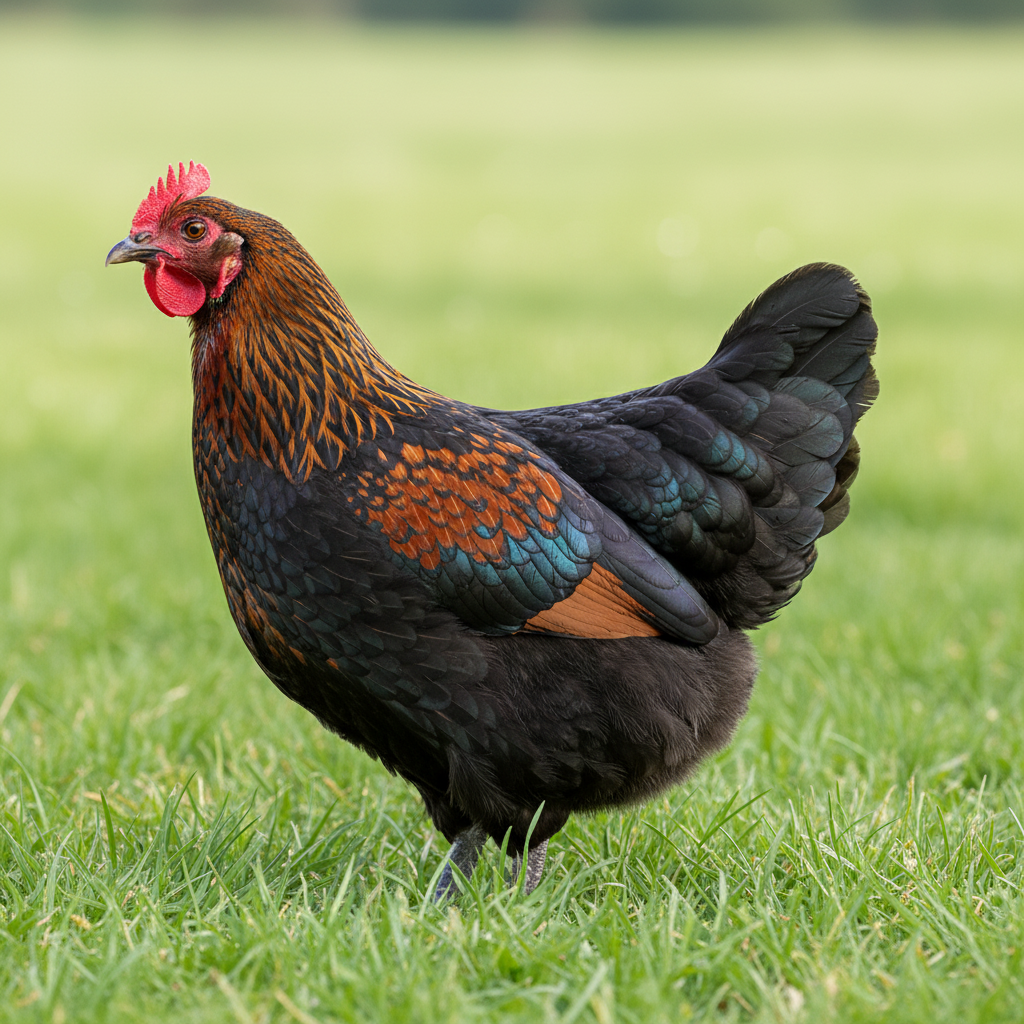
Marans chickens have a robust body with a distinctive feather pattern, commonly found in black copper coloration. Their plumage is typically dark and rich, providing a striking appearance. They are friendly and calm, making them an excellent choice for backyard flocks. Marans are particularly noted for their ability to lay large, dark brown eggs, setting them apart from many other breeds.
History
The Marans breed originated in the coastal region of France, around the town of Marans in the 18th century. They were developed primarily for their egg-laying capabilities, and their unique chocolate-brown eggs quickly gained popularity. The breed was later introduced to other countries, where they became a favored choice among backyard poultry keepers.
Care tips
Marans are generally hardy birds, able to tolerate a variety of climates, although they prefer moderate temperatures. They require ample space to roam and forage, as well as a secure coop to protect them from predators. While they are not known for being particularly broody, they can occasionally exhibit this behavior, so keepers should be prepared for it.
Color varieties
Fun facts
- Marans eggs are sought after for their rich color and flavor.
- The breed has several color varieties, with Black Copper being the most popular.
- Marans are excellent foragers, making them ideal for free-range setups.
- They can weigh between 5 to 7 pounds, making them a substantial dual-purpose breed.
Keeping Marans for those dark eggs
Most people buy Marans for one reason, the deep chocolate brown eggs. The breed comes from the area around the town of Marans in western France, where it was developed as a sturdy farm bird. Today the Black Copper is the most famous variety, but you will also see Cuckoo, Wheaten, Blue Copper, Splash, Black, White and others.
Living with them is easy. Most Marans are calm, quiet and practical birds. They are not usually cuddly, but they are not wild either. They forage well, handle confinement fine, and get along in mixed flocks. Roosters vary, so pick a calm one if you plan to keep a male.
Why the egg color changes
The dark color is a coating laid down at the very end of shell formation, and it is not constant. Most hens lay their darkest eggs when they first start laying and again after a break, like the molt. As the laying season goes on, the color often fades a shade or two. This is normal and not a sign of illness. Egg color is also strain-dependent. Many hatchery Marans lay a medium brown, while breeder lines selected for color lay the near-black shades you see in photos. Keepers often grade shells on a numbered color chart, with higher numbers being darker. If dark eggs matter to you, ask the seller what their hens actually lay.
Laying pattern and age
Marans are moderate layers. Expect fewer eggs than a production hen, but large ones. Like most heritage breeds they slow down in winter and during the molt, and lay less each year after their first two seasons. Some hens go broody.
French and English types
You will hear about French and English Marans. In the US, the standard calls for lightly feathered shanks, which follows the French style. In the UK, Marans are clean-legged. Feathered legs need a bit more care. Check for scaly leg mites, which hide easily under leg feathers, and keep the run from getting muddy so the feathers do not clump with dirt.
Climate and space
Marans are solid, medium-heavy birds and handle cold well. Roosters' single combs can still get frostbite in deep cold. They tolerate heat reasonably when they have shade and water. Standard coop and run space for a large fowl breed is fine.
How they compare
The other famous dark egg breed is the Welsummer, which lays terracotta brown eggs, often speckled, while Marans eggs are darker and more chocolate. The Marans vs Welsummer comparison goes through the differences. The Penedesenca from Spain also lays very dark eggs but is a much flightier bird.
Where to get them
Black Copper and Cuckoo Marans are sold by many US hatcheries. For the darkest eggs and the best type, look to breeders who work with egg color and show their birds. Hatching eggs from good lines are often sold online. Ask to see egg photos from the actual breeding hens.
Common questions about Marans
Why are my Marans eggs not dark?
Color depends on the strain and fades during the laying season. Many hatchery lines simply lay medium brown eggs.
Are Marans good layers?
They are moderate layers. You get fewer eggs than from a production breed, but each egg is large and well colored.
Are Marans cold-hardy?
Yes. They are sturdy birds that handle cold well. Give roosters a draft-free, ventilated coop to protect their combs.
