

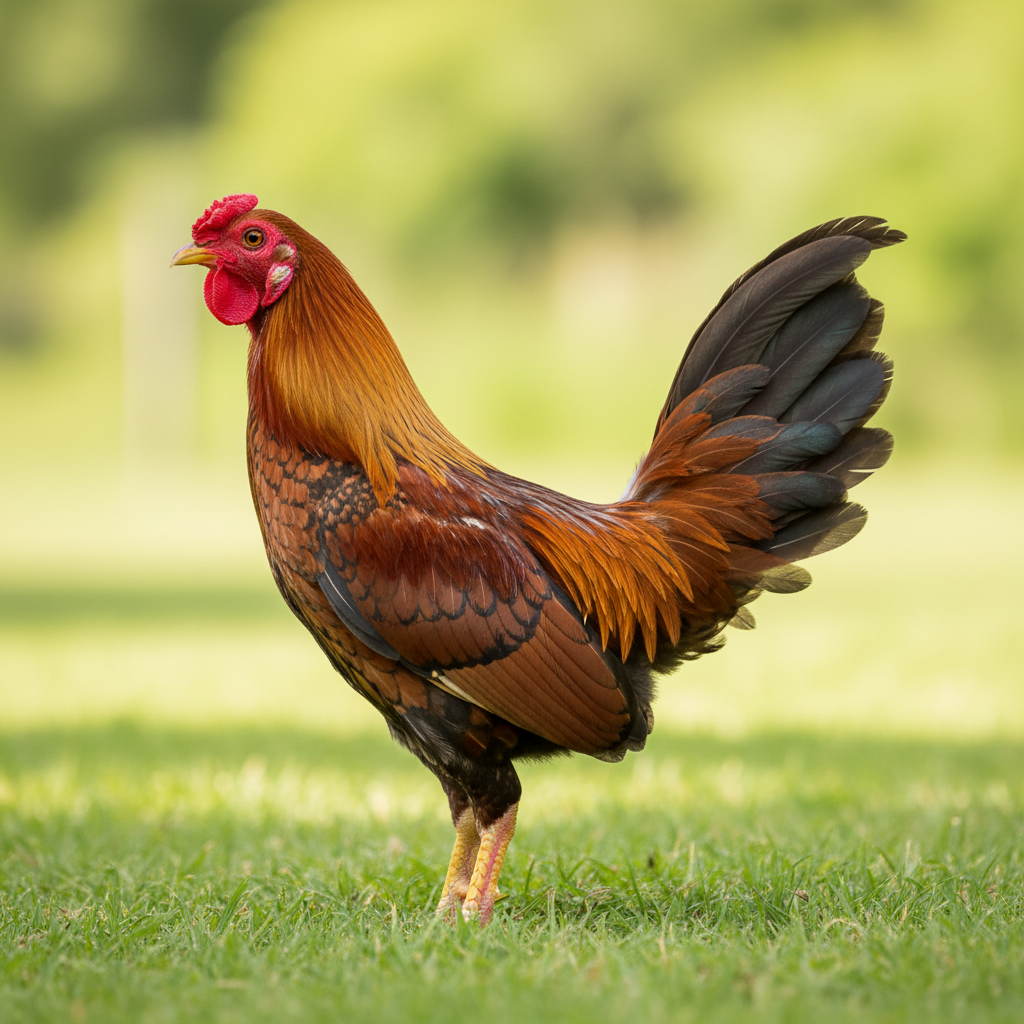
Serama
World’s smallest chicken - fits in a teacup.
Is the Serama right for you? Take the Breed Matcher →About the Serama
The Serama is known for its petite size, with adults weighing only about 13 to 19 ounces. They have a distinctive upright stance, with a broad breast and an expressive personality that is often described as friendly and curious. This breed is highly sociable, making them a favorite among backyard keepers who appreciate their charming demeanor. Their unique appearance and gentle temperament make them a popular choice for ornamental purposes.
History
Originating in Malaysia, the Serama was developed in the 19th century as a true bantam breed. Initially bred for exhibition and companion purposes, they quickly gained popularity and were introduced to the Western world in the late 20th century, particularly in the United States and Europe. Their unique qualities have contributed to a growing fan base among poultry enthusiasts.
Care tips
Seramas are hardy in warm climates but require protection from extreme cold due to their small size. They are known to be broody, often sitting on eggs or just pretending to, and can need extra care during this time. Due to their size, they can thrive in smaller spaces, but it’s essential to provide ample room to prevent stress and establish a stable pecking order.
Color varieties
Fun facts
- Seramas can come in a variety of feather patterns and colors, adding to their visual appeal.
- They are known for their playful and curious nature, often exploring their surroundings.
- Seramas are excellent fliers for their size and may perch high if given the opportunity.
- They can often form strong bonds with their owners, even being held like pets.
Keeping Seramas, the tiny chickens with big attitude
Seramas come from Malaysia and are usually called the smallest chicken breed in the world. They were developed in the late 1900s, largely credited to breeder Wee Yan Jee, who crossed Japanese bantams with small local birds. They reached the US in the early 2000s and quickly got a following, both as show birds and as pets.
What sets them apart is not just size but posture. A good Serama stands very upright, with its chest pushed forward, wings held down and tail straight up. They are judged in a lot of countries on that stance and on attitude, and they are often shown on a table instead of in a cage.
What day to day life is like
Seramas are bold, chatty and very people-friendly when handled young. Many keepers say they act more like small pets than farm birds, and some people keep them indoors in a cage or pen. Roosters crow a lot, but the crow is high and much quieter than a large rooster. That is one reason they turn up on lists of breeds for small yards, though you should still check local rules on roosters.
Eggs and laying
The eggs are tiny, often cream to light brown, and it takes several to equal one large egg. Hens can lay fairly often for their size, but they are kept for company and show, not production. Hens may go broody, and they can only cover a few eggs, so many breeders use incubators.
Cold is the main challenge
Seramas are a tropical breed with very little body mass. They do not handle cold the way a standard chicken does. If your winters drop near freezing, plan on a well-insulated, draft-free coop or bringing them into a garage or shed. Wet and cold together is the worst combination. In heat they do well, as long as they have shade and water.
Space and safety
They need little room, but their size makes them vulnerable. Cats, rats, snakes and hawks can all take a Serama. Use fine wire like hardware cloth, not chicken wire, and close every gap. Chicks are small enough to drown in a normal waterer, so add marbles or pebbles to the tray. Keeping them with large breeds is risky, since big hens can injure them.
Breeding quirks
Serama hatch rates can be lower than other breeds, and chicks can be fragile in the first weeks. Size and type vary a lot between lines, so breeders often grade birds by weight class. Frizzled Seramas are common as well.
How they compare
The Japanese Bantam is one of the Serama's ancestors and shares the upright tail, but it has very short legs and a lower stance. The Sebright is another tiny true bantam, known for laced feathers instead of posture.
Where to get them
Some US hatcheries sell Seramas, but many come from small breeders. Serama clubs and poultry shows are good places to find quality birds. Prices are often higher than for common bantams.
Common questions about Seramas
Can Seramas live outside in winter?
Only with good protection. In places with freezing winters, most keepers give them an insulated coop or bring them indoors.
Can you keep a Serama as a house chicken?
Many people do. They need a safe cage or pen, daily cleaning, and time outside in a secure space when weather allows.
How small do Seramas get?
Many adults weigh under a pound, and the smallest show birds are much lighter. Size varies by line.
