

Vorwerk
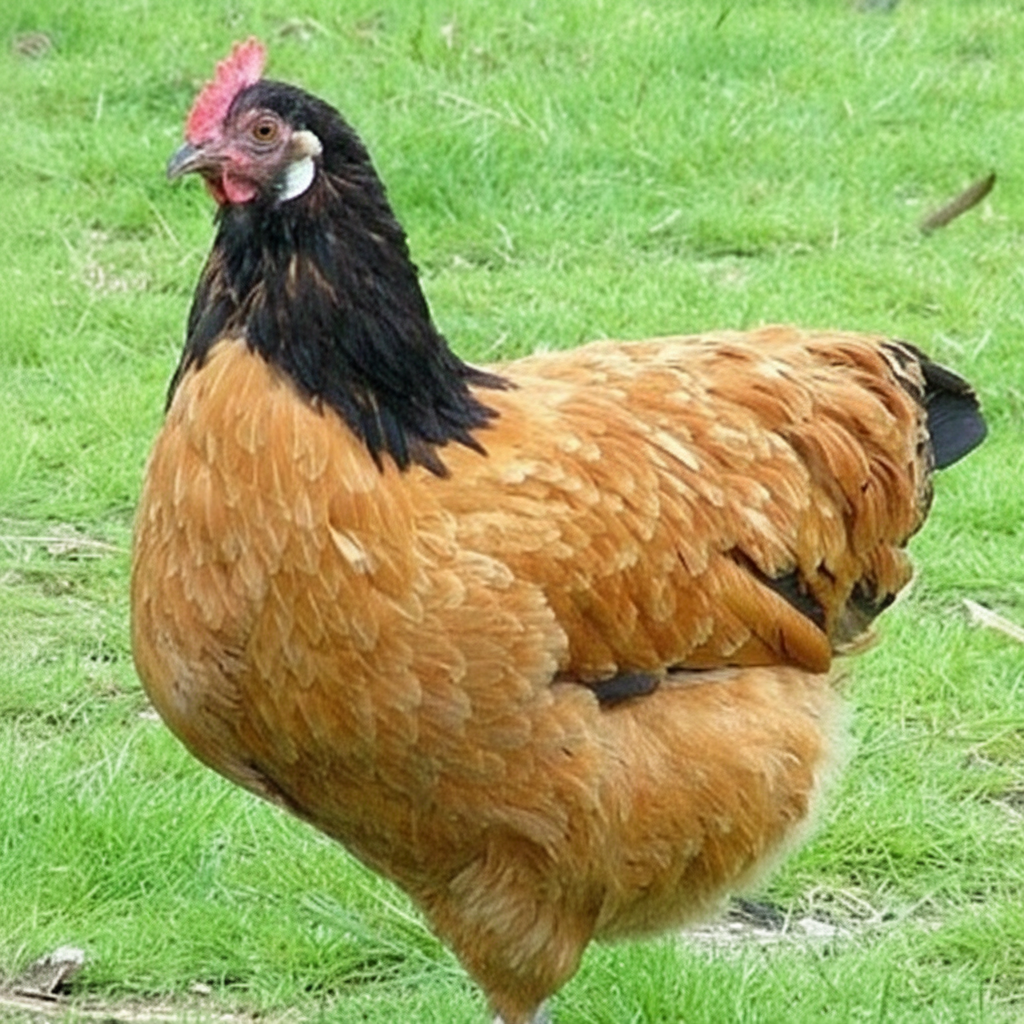
German buff-bodied bird with black head.
Is the Vorwerk right for you? Take the Breed Matcher →About the Vorwerk
Vorwerks are medium-sized birds with a unique appearance characterized by their buff-colored bodies and black heads. They have a friendly temperament, making them suitable for backyard keepers. Their striking color contrast not only adds visual appeal but also helps distinguish them in flocks. Vorwerks are known for their hardy nature and adaptability to various climates.
History
The Vorwerk breed originated in Germany and was developed in the early 20th century through selective breeding. It was created to combine good egg production with meat quality and has since gained popularity among hobbyists. The breed’s unique color pattern and hardiness contributed to its acceptance in various climates across Europe.
Care tips
Vorwerks are hardy birds that do well in a range of environments but prefer a spacious and clean coop. They are generally friendly and can be quite curious, often engaging with their keepers. Regular social interaction and a varied diet will keep them healthy and happy. Though not known for being broody, they can occasionally show interest in nesting.
Color varieties
Fun facts
- Vorwerks were recognized by the American Poultry Association in the late 20th century.
- They are excellent foragers and thrive on free-range systems.
- Vorwerks can lay around 200 medium-sized brown eggs annually.
- Their striking appearance makes them popular at poultry shows.
Living with Vorwerks
The Vorwerk was developed in Germany around 1900 by Oskar Vorwerk. It has a buff body with a black neck and black tail, much like the Lakenvelder pattern but on buff instead of white. It has a single comb and is a medium-sized, practical bird. Bantams also exist.
Day to day
Vorwerks are active and alert, and good foragers. They are generally calmer than Lakenvelders but not lap birds. Many get used to people over time. They do not need a large coop, but they get bored in a bare, tight run, so give them ground to scratch or scatter feed for them to find. They fly better than heavy breeds.
Laying
Hens lay cream or lightly tinted eggs at a good rate for a heritage breed. They are not known as strong broodies.
Color quality
Getting a clean buff body with a solid black neck and tail is hard to breed. Many birds show some smudging. That does not matter for a backyard bird.
Climate
They are hardy and handle cold well. Watch single combs in hard freezes. Summer is manageable as long as there is shade and cool water.
Rarity
Vorwerks are rare in the US. A few breeders and occasional hatcheries sell them. If you want a similar buff bird that is easier to find, the Buff Orpington is calmer and heavier.
Who they suit
Vorwerks suit keepers who want an uncommon German breed that still lays well and does not need special care. They are a good forager for a mixed backyard flock.
Common questions about Vorwerks
Are Vorwerks good layers?
Yes, good layers of cream or lightly tinted eggs.
What is the difference between a Vorwerk and a Lakenvelder?
Both have a black neck and tail, but the Vorwerk body is buff and the Lakenvelder body is white.
Are Vorwerks friendly?
They are calmer than many light breeds, but not usually cuddly.
