

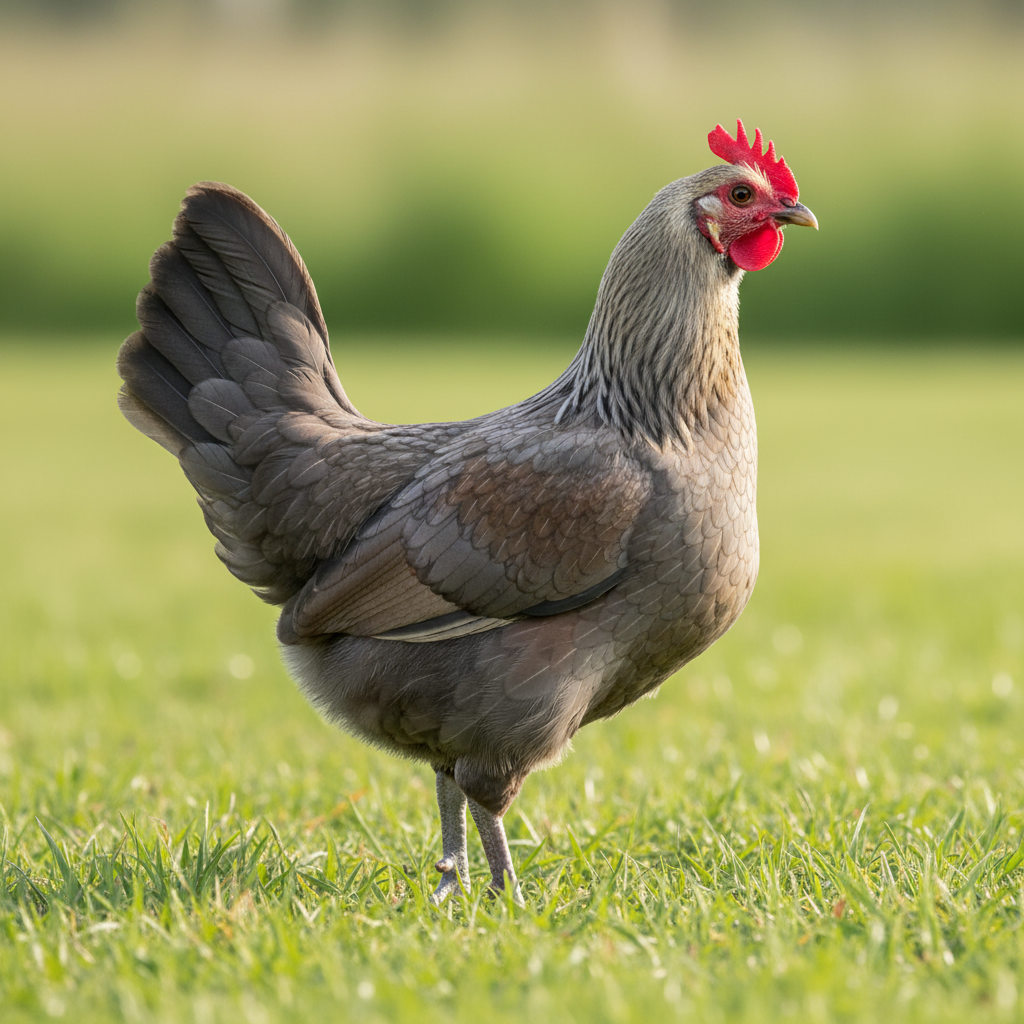
Dutch Bantam
Dutch Bantams are charming, small chickens known for their lively personalities and colorful plumage.
Is the Dutch Bantam right for you? Take the Breed Matcher →About the Dutch Bantam
Dutch Bantams are small, compact birds with a broad body and an array of feather colors. They have an upright posture and often possess classic, striking feather patterns. This breed is known for its friendly and curious nature, making them great pets. Their pleasant demeanor and intelligent behavior charm both families and small flock enthusiasts.
History
The origins of the Dutch Bantam are uncertain, but they are believed to have been developed in the Netherlands during the 19th century. They were popularized for their ornamental appeal and are one of the oldest bantam breeds. Their unique looks and friendly temperament have helped them spread globally.
Care tips
Dutch Bantams are hardy birds that thrive in various environments. They prefer a spacious area to roam and enjoy gentle interactions with humans. Although they are aloof, they can be quite friendly, especially when handled from a young age. Regular health checks are recommended to ensure their well-being.
Fun facts
- Dutch Bantams come in numerous color varieties including black, white, and partridge.
- They are excellent foragers and enjoy free-ranging in a safe environment.
- These birds have a calm disposition, making them great with children.
- Dutch Bantams are often featured in poultry shows for their beauty and variety.
What Dutch Bantams are like to keep
The Dutch Bantam is a true bantam from the Netherlands, so there is no large version. It is one of the smallest chicken breeds. Dutch Bantams have a single comb, white earlobes and an upright, lively stance. They come in many colors, with light brown, silver and gold types among the best known.
They are active, alert birds. Many become tame with handling, and their small size makes them easy for kids to hold. They are good fliers for their size.
Who they suit
- Keepers with small yards who want a few birds.
- Families wanting small, friendly chickens.
- Anyone wanting good broody hens for small clutches.
They are not a good pick for egg production or for open areas with lots of hawks.
Eggs and broodiness
Dutch Bantams lay small cream to white eggs in modest numbers. Many hens go broody and are protective mothers.
Space and climate
They need little space, but they do fly, so cover the run. Their small size makes them vulnerable to predators, so use secure hardware cloth. Their single comb can get frostbite in harsh cold. A dry, draft-free coop is important. They handle heat well with shade.
Handling tips
Dutch Bantams tame best when handled young. Sitting quietly in the run with treats helps. Adult birds that were not handled may stay wary, so set expectations if you buy grown stock.
Compared with similar bantams
The Sebright is another tiny true bantam, laced and with a rose comb. The Serama is even smaller and more upright. Dutch Bantams are usually hardier than Seramas.
Where to buy
Dutch Bantams are popular with bantam breeders and at shows. Some hatcheries sell them.
Common questions about Dutch Bantams
How small are Dutch Bantams?
They are one of the smallest breeds, much smaller than standard hens.
Do Dutch Bantams fly?
Yes. They are good fliers for their size.
Are Dutch Bantams good mothers?
Yes. Many hens go broody and are protective.
